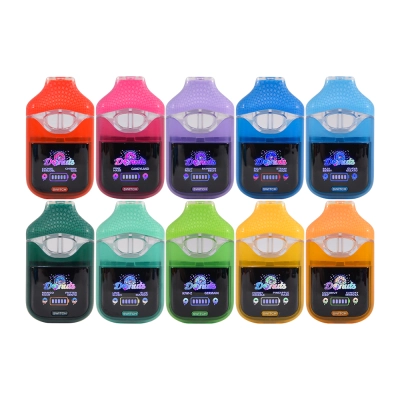
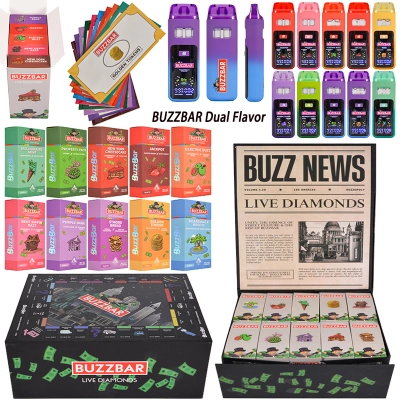
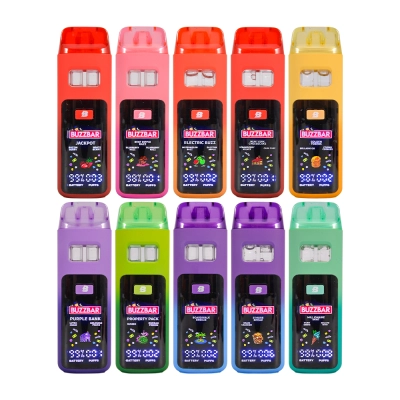
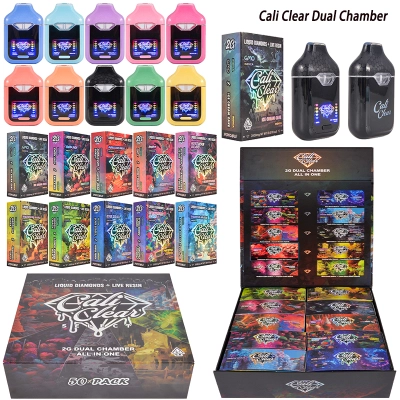
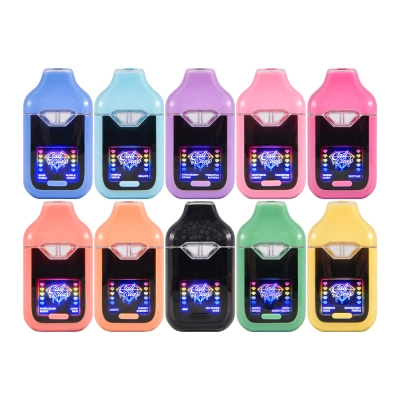
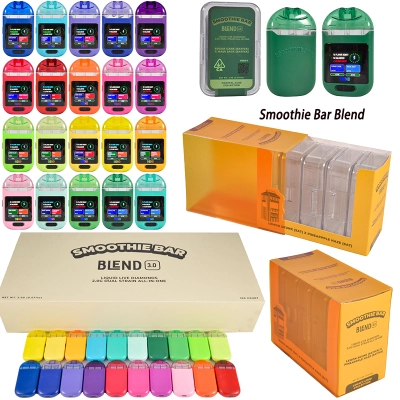
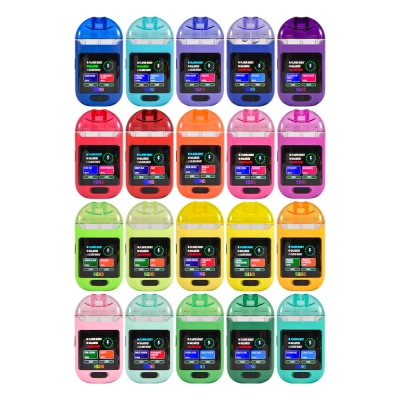
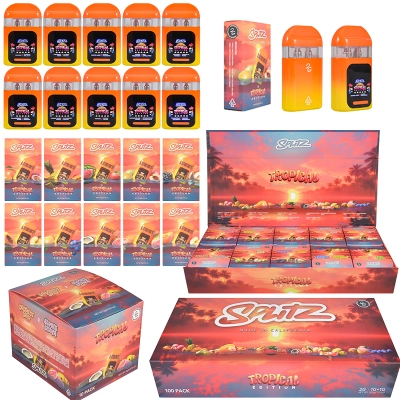
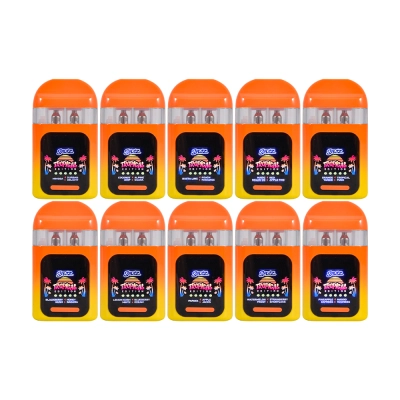
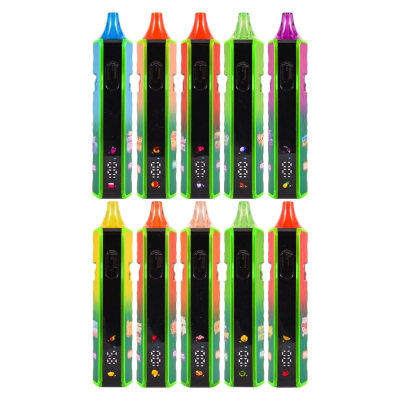
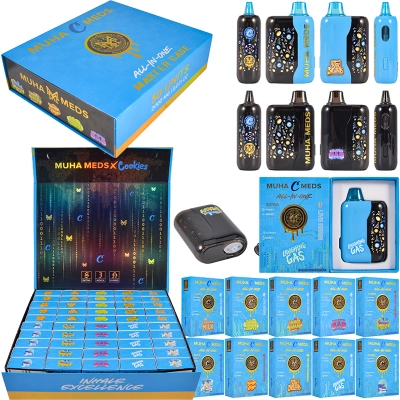
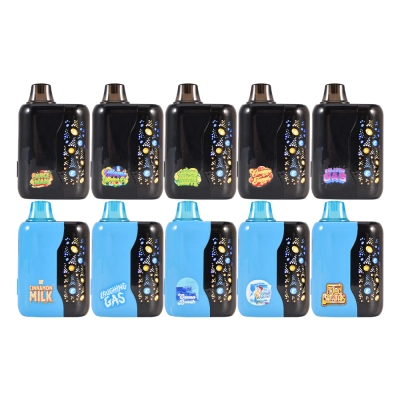
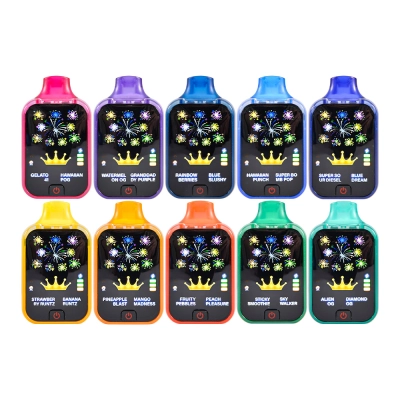
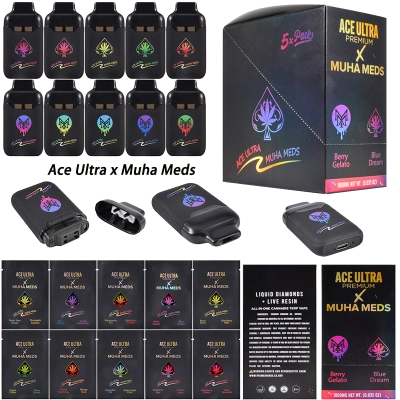
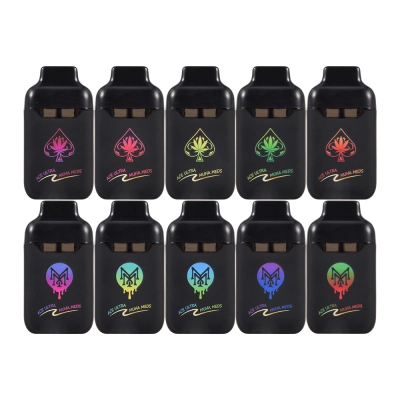
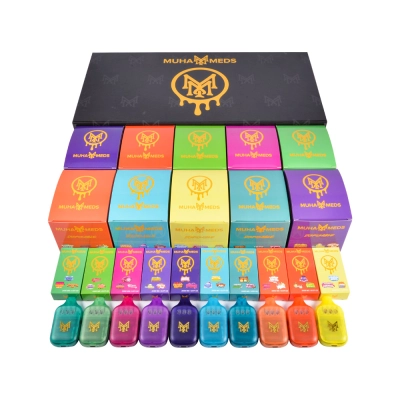
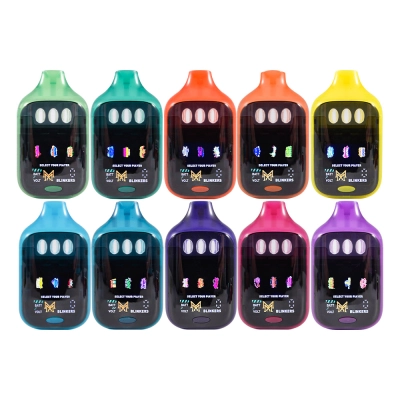
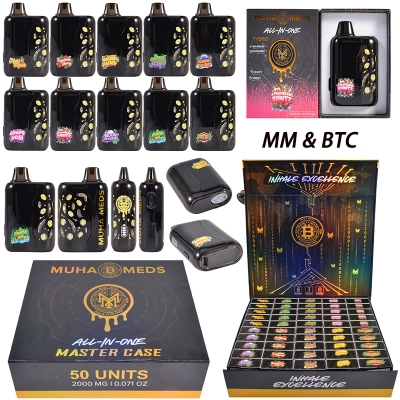
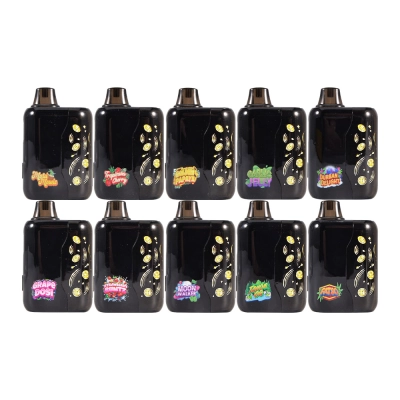
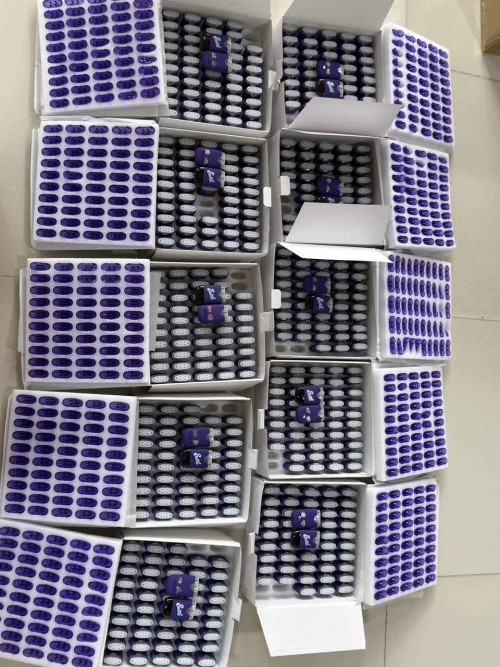
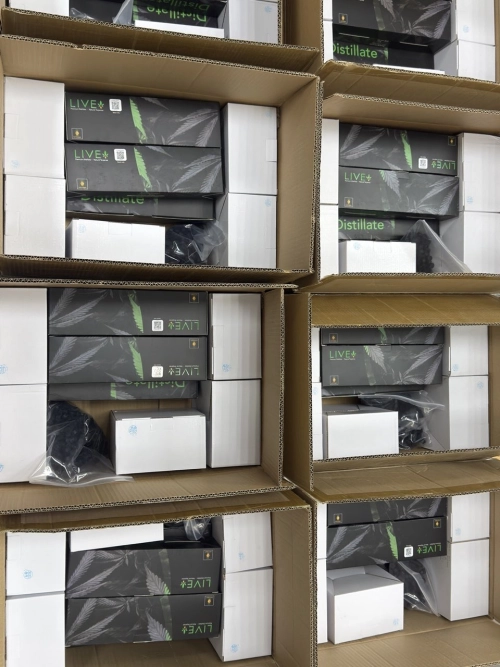
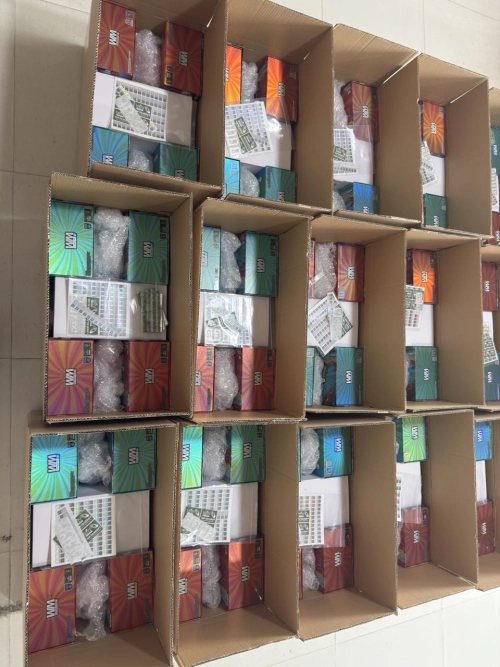
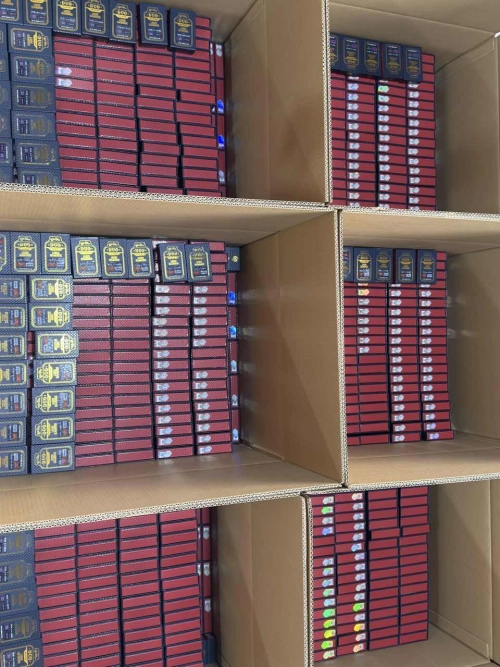
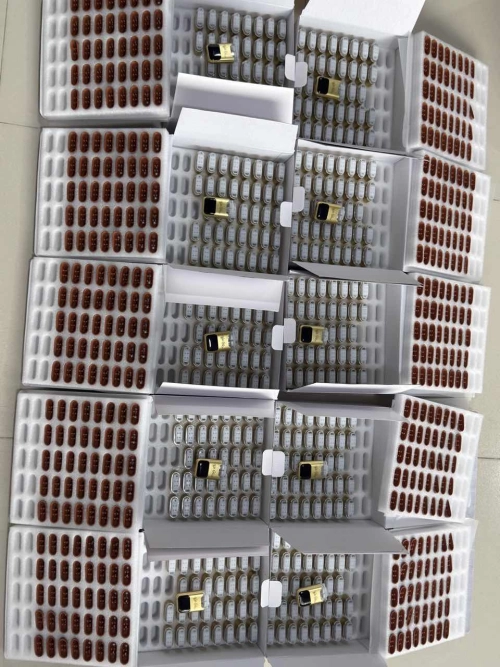
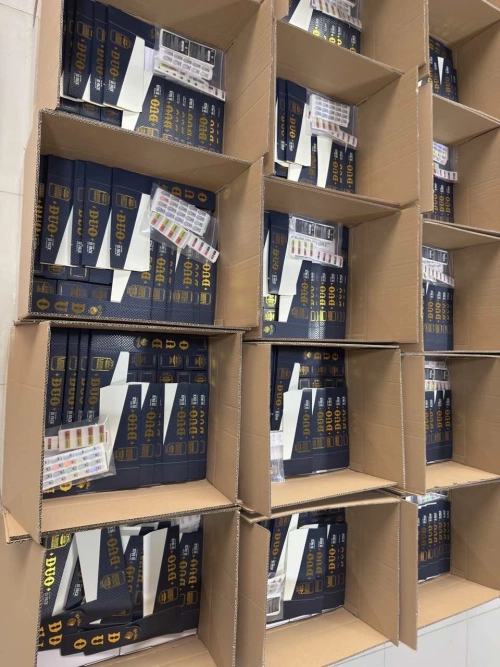
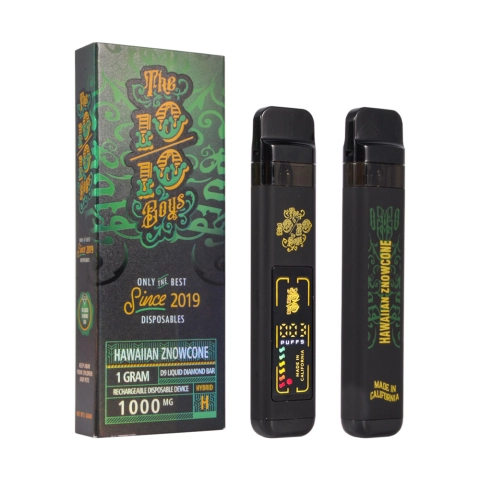
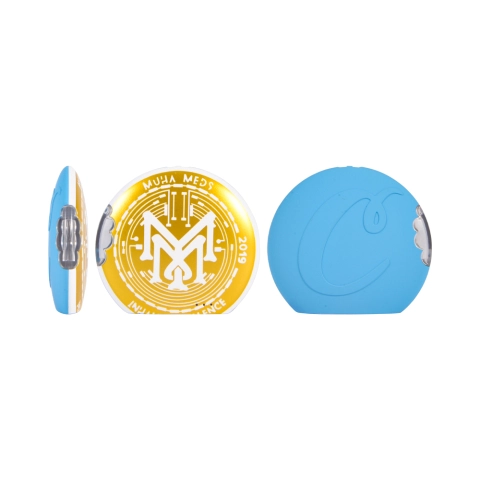
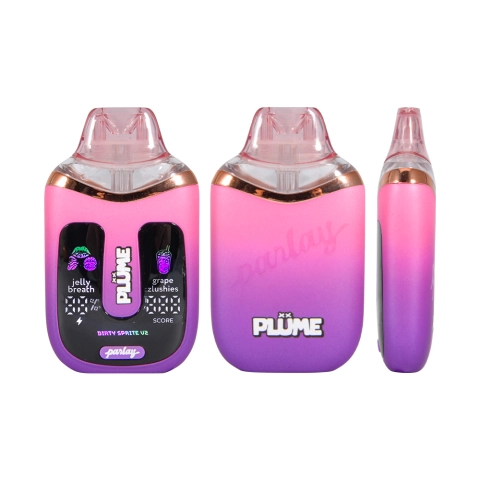
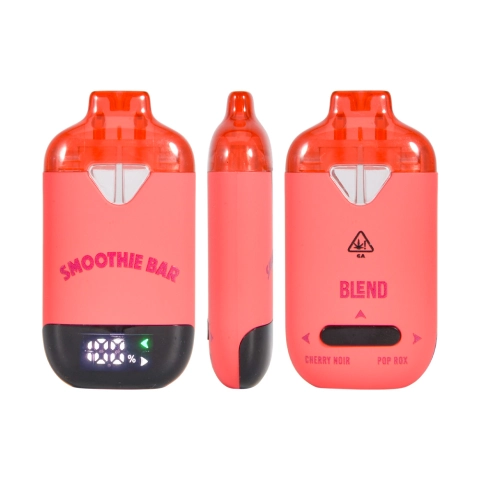
What B2B Buyers Should Know Before Ordering the 1010 Boys DisposableWhat B2B Buyers Should Know Before Ordering the 1010 Boys Disposable If you are considering a wholesale order of the 1010 Boys Disposable, the smartest move is to treat it like a purchasing file, not a hype product. A recognizable brand name may help get attention, but serious B2B buying decisions are still made on exact SKU identity, hardware specs, commercial terms, documentation, and destination-market compliance. On Extractsvape, the current 1010 Boys listing is presented as a 1G all-in-one disposable with draw activation, an integrated rechargeable battery, USB-C charging recommendation, individual boxing, and a flavor menu that includes Melonade, Biskante, Hawaiian Znowcone, Donut Shop, Golden Pineapple, Wedding Cheesecake, Watermelon Gelato, Snoop Dogg OG, Mint Chocolate Chip, and Wizard Trees. At the same time, the page title references both “Liquid Diamonds” and a “Smart Screen,” while the product is also labeled on-site as an empty device. That means buyers should confirm the exact version being sold before they place a serious PO. 1) Confirm exactly what you are ordering This is the first thing to lock down because it changes your entire risk profile. Do not assume that a product name tells you everything. Before payment, ask the supplier to state clearly on the invoice, packing list, spec sheet, and outer-carton labels whether your order is: empty hardware only, a finished filled product, or a market-specific variant with different packaging or internals. That sounds basic, but it prevents later disputes over customs declarations, compliance responsibility, warehousing, and returns. If you are building a shortlist, compare the current device against your broader 1010 Boys vapes in bulk options so you know whether you are buying a one-off SKU or a repeatable line. 2) Review the live commercial terms, not just the brand story Good B2B buyers look at the real buying sheet before they get excited about the logo. The current public Extractsvape listing shows the 1010 Boys Disposable starting at $4.87 per piece, with lower price breaks shown at higher volumes. That makes landed-cost planning important from the start. Before you approve volume, ask these questions in writing: What is the MOQ for the exact version I want? Where will the stock ship from? What defect rate is covered for replacement or credit? What is the lead time for replenishment? Will the supplier notify me before changing internals, packaging, or flavor assortment? The lowest quote is rarely the lowest total cost after shipping delays, shortages, and replacements are included. 3) Decide whether the 1G format still fits your shelf strategy The 1010 Boys device sits in Extractsvape’s 1-gram lineup, so buyers should evaluate it as a format decision as well as a brand decision. In many shops, 1G remains useful because it is easier to sample, easier to price for entry-level buyers, and easier to test without overcommitting cash to one SKU family. That is why it makes sense to compare this product to your wider 1g disposable vape bulk assortment before you commit shelf space. If your store performs better with higher-capacity devices, the 1010 Boys Disposable may still work, but only if the brand name or flavor profile gives you a clear reason to carry it. 4) Sample-test the screen and charging behavior before a large PO The current listing positions the 1010 Boys Disposable as a smart-screen style device with a rechargeable battery. For B2B buyers, that means you should sample for real-world usability, not just appearance. A screen feature can improve perceived value, but only if it works consistently and does not create extra returns. Your pre-PO sample check should include: draw activation consistency, charging-port stability, battery behavior after recharge, screen visibility and readability, any error behavior or display failure, packaging condition after transit simulation. If screen-equipped devices are part of your merchandising strategy, compare the 1010 Boys format against the rest of your vape with screen lineup instead of assuming all display-based disposables perform the same way. 5) Ask for battery and transport documents early A rechargeable disposable is not only a shelf item; it is also a logistics item. Because lithium batteries are regulated in transport, paperwork should be part of supplier qualification, not something you request after you have already committed to a volume order. At minimum, ask for: UN 38.3 battery test summary, battery specification sheet, charging and protection details, master-carton labeling format, any available leak, drop, or vibration test information. This is one of the easiest ways to reduce customs friction, freight delays, and post-sale disputes. 6) Do not separate purchasing from compliance review Too many wholesale buyers still treat compliance as something to worry about after the shipment arrives. That is backwards. In the United States, federal age restrictions apply to tobacco products including electronic nicotine delivery systems, and interstate delivery sales remain sensitive under the PACT Act framework. If your route to market touches nicotine or ENDS channels, authorization status, age-gating, reporting, and shipment rules should be checked before the PO is finalized. Even if you are sourcing hardware rather than finished goods, destination-market rules still matter. The right internal question is not only “Can I buy this?” but also “Can I document, receive, market, and resell this exact version in the jurisdiction I serve?” That review matters even more when a product uses premium-style cues such as screens or advanced branding. Features may help sell-through, but they do not reduce regulatory exposure. 7) Review flavor assortment and packaging control like a wholesaler The flavor list on a public listing is useful, but buyers should still verify final assortment logic before payment. Ask whether all flavors are available in the same batch, whether mixed-flavor case packs are allowed, and whether any names or packaging differ by warehouse or destination market. You should also request: lot or batch coding method, carton photos for the exact version being supplied, tamper-evident or authenticity features, confirmation that product-page naming matches carton naming. Packaging inconsistency often turns into avoidable authenticity disputes, version confusion, and customer-service costs later. 8) Use a simple pre-PO scorecard Before you move from testing to volume, score the 1010 Boys Disposable against one short checklist: Exact SKU identity confirmed in writing Empty-device vs finished-product status confirmed 1G format fits your store’s price architecture Screen and charging behavior tested on samples Battery and transport documents received Flavor assortment and packaging approved Defect, shortage, and replacement terms agreed in writing Destination-market compliance reviewed before shipment If a supplier cannot clear those checkpoints, the risk is usually not worth the headline price. Bottom line The best B2B buyers do not order the 1010 Boys Disposable because the name is recognizable. They order it because the exact version is documented, the commercial terms are defensible, the hardware has been sample-tested, and the compliance path is clear. That is the real difference between a trendy SKU and a repeatable wholesale line. When you buy with discipline, you protect cash flow, reduce returns, and give yourself a better chance of turning a new device into a reliable reorder product. FAQ Is the 1010 Boys Disposable best treated as hardware or as a finished product? Buyers should not assume. The current listing includes signals that make clarification important, so the exact order type should be confirmed on the invoice, spec sheet, and carton labels before payment. Why does the screen matter for B2B buyers? Because it affects both merchandising and return risk. A screen can improve perceived value, but only if the display, charging, and activation behavior remain consistent across production batches. What documents should I request before placing a larger order? At minimum, ask for a current spec sheet, battery documentation, UN 38.3 summary, packaging details, and written replacement terms. Should I focus more on price or on documentation? Documentation first. A slightly higher-cost SKU with better traceability, packaging control, and replacement terms often produces a better real margin than a cheaper SKU with avoidable risk.
Read Now