

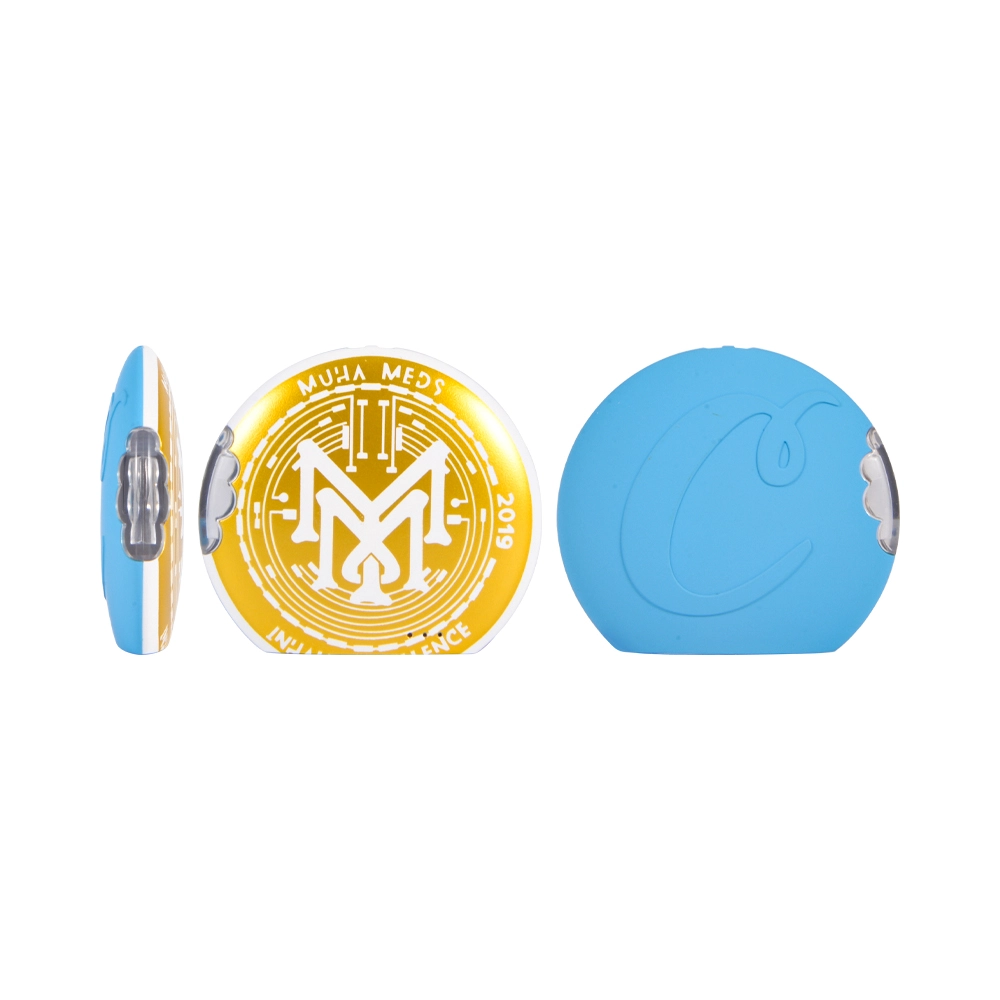
What Retailers Should Know About the Cookies x Muha Meds Vape Partnership
Brand collaborations only matter in retail when they translate into something clear on the shelf: recognizable names, consistent hardware, and a product story that customers understand immediately. That is why the Cookies x Muha Meds vape partnership deserves attention from distributors, smoke shop buyers, and cannabis-adjacent B2B operators watching the premium disposable segment.
On the surface, this collaboration brings together two names with strong recognition. But for retailers, the bigger story is operational. The partnership shows how brand equity, device format, packaging, and verification can work together to create a stronger merchandising program. In practical terms, this is not just about carrying another disposable. It is about stocking a collab that feels familiar, shelf-ready, and easier to explain at the point of sale.
Why this partnership stands out
Cookies has long been associated with highly recognizable strain identities and strong visual branding. Muha Meds, meanwhile, has built visibility around all-in-one formats and product verification. When those two strengths meet, retailers get more than a co-branded name. They get a product position that is easier to merchandise as premium, easier to place in a trend-driven assortment, and easier to frame as a verified, modern all-in-one offering.
That matters because customers increasingly respond to products that reduce friction. A recognizable brand name may create the first click, but repeat demand usually comes from a cleaner user experience: familiar format, dependable charging, simple activation, and packaging that looks intentional rather than generic. The Cookies x Muha Meds collab fits that pattern well.
What current listings signal to retailers
Current market-facing listings around this partnership point to a straightforward but commercially effective formula: all-in-one disposable hardware, recognizable flavor or strain naming, and premium presentation. In other words, the collab is being positioned as an accessible hero SKU rather than a niche experiment.
For retailers, that creates three immediate signals:
- It is built for quick shelf recognition. Names associated with Cookies help reduce explanation time at retail.
- It fits the strongest-selling disposable format. Higher-capacity all-in-one devices continue to be an easy category for customers to understand.
- It supports premium merchandising. Collab branding gives the product an identity beyond basic commodity hardware.
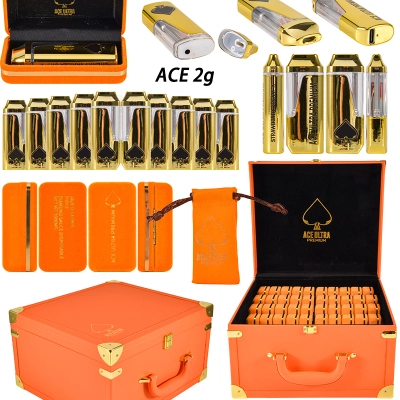
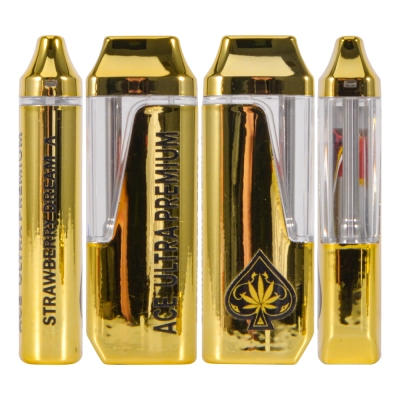
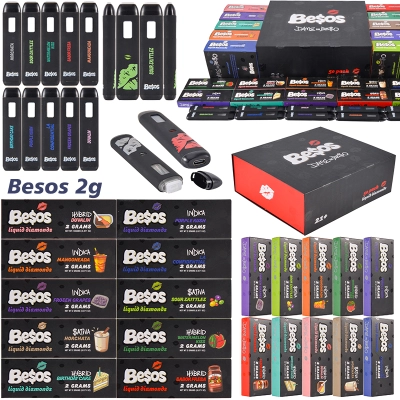
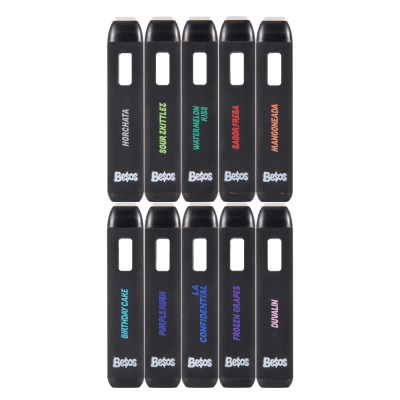
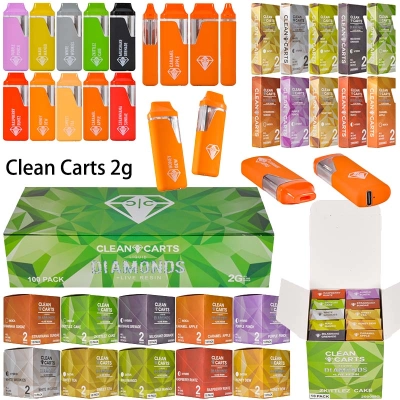
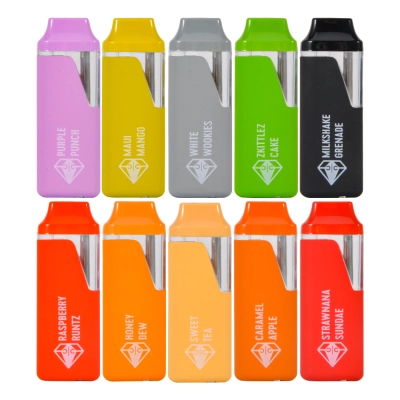
This is also why related hardware categories continue to perform well in wholesale. If your assortment leans heavily into recognizable, fast-moving disposables, it makes sense to review your 2g disposable vape pen options as part of a broader category strategy, not just a single-SKU purchase.
The real B2B takeaway: branding works best when hardware is simple
One reason collaborations fail is that the product tries to do too much. Too many variants, unclear device differences, inconsistent packaging, or confusing naming can weaken a strong brand story. The smarter route is to keep the platform easy to understand and let the collaboration drive the shelf appeal.
That is where this partnership becomes useful as a buying signal. Retailers should read it as proof that branded vape programs are strongest when the hardware format is already familiar. Draw activation, rechargeable batteries, and clean boxed presentation reduce the learning curve for staff and customers alike.
In premium placements, display-led devices can also add value. A well-executed vape with screen format can improve the customer experience by making battery status and usage feel more transparent, while also helping the device stand out in a crowded case.
What retailers should verify before stocking
A strong brand partnership does not remove the need for discipline. In fact, it raises the bar. Before bringing in any collab disposable, retailers should confirm the basics that protect reorder velocity and reduce avoidable returns.
- Authenticity and verification
If a brand highlights product verification, make that part of your intake process. Verified products help protect your reputation and reduce the risk that a high-profile collab turns into a customer service problem. - Version consistency
Confirm the exact exterior, charging standard, packaging style, and spec sheet for each reorder. Collab SKUs can move fast, and inconsistent batches create confusion at the store level. - Labeling and market fit
Make sure packaging, age restrictions, and compliance language match your destination market. Do not assume one version of a collab is suitable for every jurisdiction. - End-of-life messaging
All-in-one devices should not be treated like ordinary waste. Retailers benefit from clear customer guidance around proper disposal and post-sale handling. - Margin structure
A recognizable brand gets attention, but margin still depends on cost discipline, reorder timing, and how the SKU fits your existing assortment.
How to merchandise the Cookies x Muha Meds partnership
The best way to stock a collaboration like this is to give it a clear role. Do not bury it inside a random disposable assortment. Treat it as one of the following:
- A premium hero SKU for buyers who want brand recognition and fast shelf communication.
- A trend-layer item that keeps the case fresh without overcomplicating your core assortment.
- A conversation starter for customers already familiar with either Cookies or Muha Meds.
This approach works especially well when your broader assortment is split into a stable core and a smaller rotation of higher-attention products. The core keeps reorders predictable. The trend layer keeps the shelf from feeling stale. A collaboration like Cookies x Muha Meds can sit comfortably in that second bucket.
What this means for private-label and white-label operators
There is another lesson here for wholesalers and emerging brands: partnerships like this show how much value comes from combining recognizable positioning with reliable hardware. Even if you are not building around a major collaboration, the same framework applies. Simple hardware, clear QC standards, verification thinking, and stronger packaging can elevate an otherwise ordinary device.
That is also why many B2B buyers continue exploring custom vape programs. The goal is not to copy a famous collab. The goal is to build a product system that feels coherent, defensible, and easier to sell across repeat orders.
Final thoughts
Retailers should view the Cookies x Muha Meds vape partnership as more than a branded release. It is a useful case study in how modern disposable programs win: familiar hardware, recognizable naming, strong presentation, and verification that supports trust.
For B2B buyers, the smartest response is not hype-driven purchasing. It is disciplined assortment planning. Ask whether the device format matches your store profile, whether the verification story is clear, whether the packaging supports your market, and whether the collab earns a defined role in your shelf strategy.
When those answers are yes, a partnership like Cookies x Muha Meds can do more than attract attention. It can become a dependable premium SKU that supports both visibility and reorder potential.
FAQ
Why does the Cookies x Muha Meds partnership matter to retailers?
Because it combines recognizable branding with an easy-to-understand all-in-one format, making the product simpler to merchandise and easier for staff to explain.
What is the biggest risk when stocking a collab vape SKU?
The biggest risk is assuming the name alone guarantees success. Retailers still need to verify authenticity, confirm hardware consistency, and make sure the packaging fits local compliance expectations.
How should a store position this type of product?
It works best as a premium hero SKU or as part of a trend layer inside a broader disposable assortment, rather than as an unstructured add-on.
0 Comments