

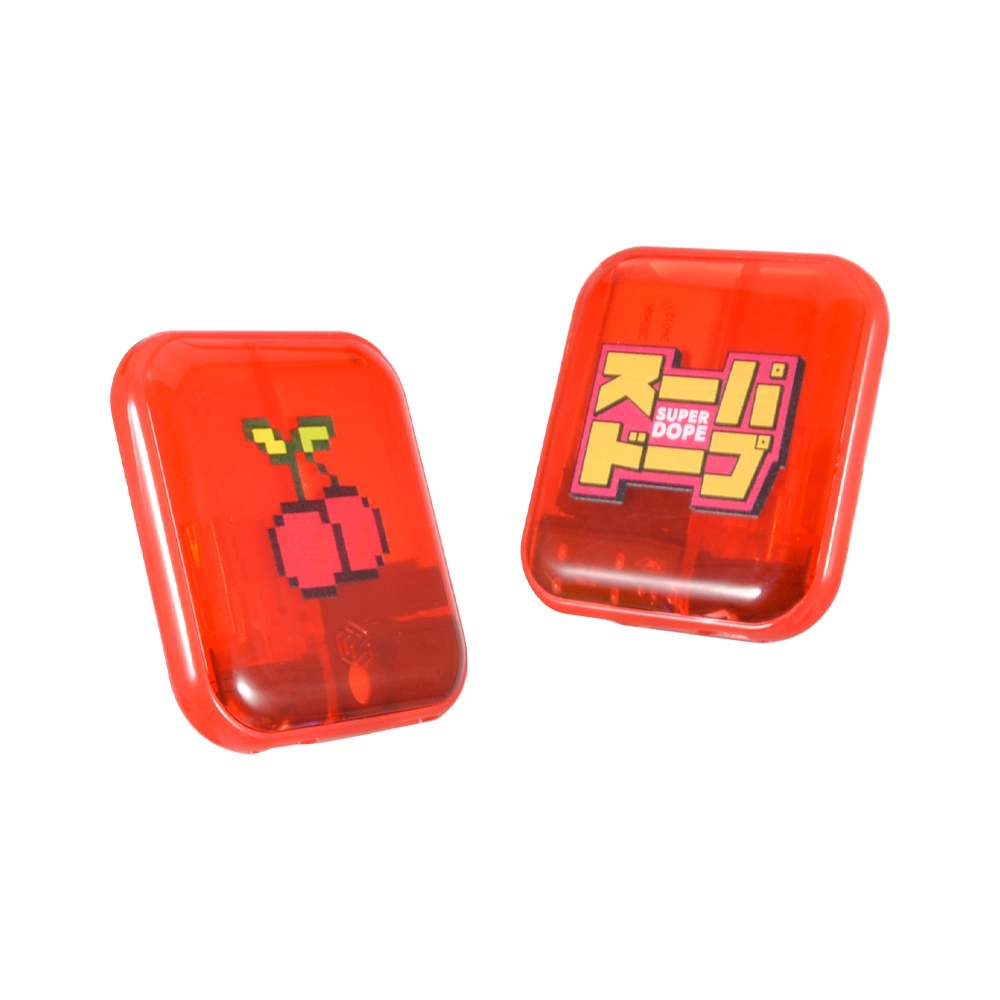
What B2B Buyers Should Know Before Ordering Super Dope Vape Devices
Last reviewed: March 30, 2026
For wholesale buyers, ordering a recognizable device line is only half the job. The other half is making sure the hardware, packaging, logistics, and compliance profile actually fit your business model. That is especially true with Super Dope-style devices, where brand appeal can drive attention fast, but repeat orders depend on consistency, not hype.
If you are evaluating current Super Dope options, start with the exact SKU, not just the brand name. On ExtractsVape, the current Super Dope listing is presented as a 1g all-in-one disposable format, which makes the pre-order checklist very practical: verify the hardware, verify the route to market, and verify the rules that apply to your channel before you scale.
1) Start with the actual device spec, not the brand story
Before placing a wholesale order, confirm what you are really buying. The safest B2B approach is to look at the operational details first: capacity, activation method, battery type, charging method, packaging format, carton count, and reorder consistency. With disposable hardware, small differences in intake design, battery output, or charging performance can create very different customer experiences after launch.
That is why serious buyers compare a branded line against a wider pool of wholesale disposable vapes before committing. The goal is not just to find a recognizable device. The goal is to find a device you can reorder with confidence six months from now.
Ask your supplier for current lot photos, packaging confirmation, battery details, and any recent spec changes. If the seller cannot clearly explain what stayed the same from the last batch and what changed, that is already a risk signal.
2) Confirm whether you are ordering empty hardware or a finished product
This is one of the most important distinctions in B2B vape sourcing. Empty hardware buying is mostly a quality-control, logistics, and compatibility decision. Finished-product buying adds a much deeper layer of legal and regulatory review.
In plain terms: if you are buying hardware only, your focus should be leak resistance, battery reliability, charging consistency, packaging durability, and fill compatibility. If you are buying a filled nicotine or tobacco product for the U.S. market, you also need to verify whether that product can legally be marketed through the applicable federal pathway. If you are buying filled cannabinoid products, your due diligence becomes even more jurisdiction-specific because state, local, and cross-border rules can differ dramatically.
Buyers looking specifically at the current Super Dope collection should make this distinction before discussing price breaks, because the compliance burden changes the moment the order goes from “hardware” to “finished consumable product.”
3) Rechargeable disposables demand a battery-safety review
Rechargeable disposable devices may be convenient, but they also raise the stakes on battery quality and charging safety. A good B2B buyer should ask what kind of testing was performed on the cell, pack, charger compatibility, and complete end-product system. In wholesale, battery-related issues do not stay small for long; they become return claims, customer complaints, and sometimes a reputation problem.
Your checklist should include:
- Whether the device uses a protected battery system suitable for the intended load.
- Whether charging behavior has been tested with the actual product, not just the cell alone.
- Whether the packaging protects devices during storage and shipment.
- Whether the supplier has a documented DOA or defect policy.
- Whether the current lot matches the previous lot in charging port, battery size, and enclosure quality.
Do not treat rechargeable hardware as a commodity. The more rechargeable the platform, the more you should care about repeatable build quality.
4) Warehouse location, MOQ, and reorder speed matter more than launch-day price
New buyers often focus too hard on the first unit price and not enough on the total operating picture. A device that is slightly cheaper on paper can still cost you more if the lead time is unstable, the carton counts are awkward, or the supplier cannot hold spec consistency across reorders.
Before ordering, ask:
- Which warehouse will ship this specific order?
- What is the real MOQ for the exact SKU and packaging version I want?
- Can I reorder the same version next month without a shell, battery, or mouthpiece change?
- What is the replacement process for damaged or defective units?
- Are the master cartons labeled clearly enough to avoid pick-and-pack mistakes?
For many B2B buyers, speed and repeatability outperform a tiny savings on the opening order. If your channel depends on fast restock, local inventory strategy may be more important than the lowest headline cost.
5) U.S. compliance is not a footnote
If your sales channel touches nicotine or tobacco products in the United States, compliance needs to be part of product selection from day one. That includes age-gating, photo ID procedures, online checkout controls, and legal marketability review. It is not enough to assume that a product can be sold just because it is widely discussed online.
For example, U.S. retailers should already have a clean process for age verification and channel controls, especially when selling any nicotine product. If you operate online, your checkout, fulfillment, and customer service workflows should match that reality before inventory ever lands in your warehouse.
Shipping also matters. If your plan depends on USPS for U.S. distribution, do not assume vape products move like normal parcels. Mailing rules for ENDS products are much tighter than many first-time buyers realize, and exceptions come with documentation requirements.
6) Do not skip the pilot order
Even if the brand looks strong, the smart move is still to test before scaling. A pilot order gives you real data on packaging damage, charging performance, leakage, clogging, shelf presentation, and reorder confidence. It also helps your sales team learn whether the device matches the customer profile you are actually serving.
If your store or distribution channel still performs best in classic 1g formats, compare Super Dope against your broader 1g disposable vape bulk assortment before going deep. In B2B, the best device is not always the loudest-looking one. It is the one your customers reorder with the fewest complaints.
7) The smartest question is not “Will this sell?”
The smarter question is: “Can I stock this repeatedly, legally, and profitably?” A strong wholesale decision sits at the intersection of brand pull, hardware stability, battery safety, channel compliance, and warehouse practicality.
Super Dope can absolutely be worth considering for buyers who want recognizable presentation and a modern disposable format. But the buyers who usually win are the ones who slow down just enough to verify the fundamentals before sending the larger PO.
Quick B2B Checklist Before You Order
- Confirm whether the order is empty hardware or a finished product.
- Verify the exact current SKU, not just the brand family.
- Request current-lot photos and packaging confirmation.
- Review battery, charging, and defect-handling details.
- Match MOQ and warehouse route to your cash flow and restock cycle.
- Check the rules for your specific market before resale.
- Run a pilot order before scaling into a larger buy.
Final Thoughts
Ordering Super Dope vape devices as a B2B buyer is not just about finding a hot product. It is about protecting your margin, your reputation, and your ability to reorder smoothly. The best wholesale buyers know that a device only becomes a good SKU when the specs are clear, the route to market is clean, and the next order is just as dependable as the first one.
0 Comments