

B2B Wholesale • Risk Control • Sell-Through
Why Ace Ultra x Packman V2 Is Popular with B2B Buyers
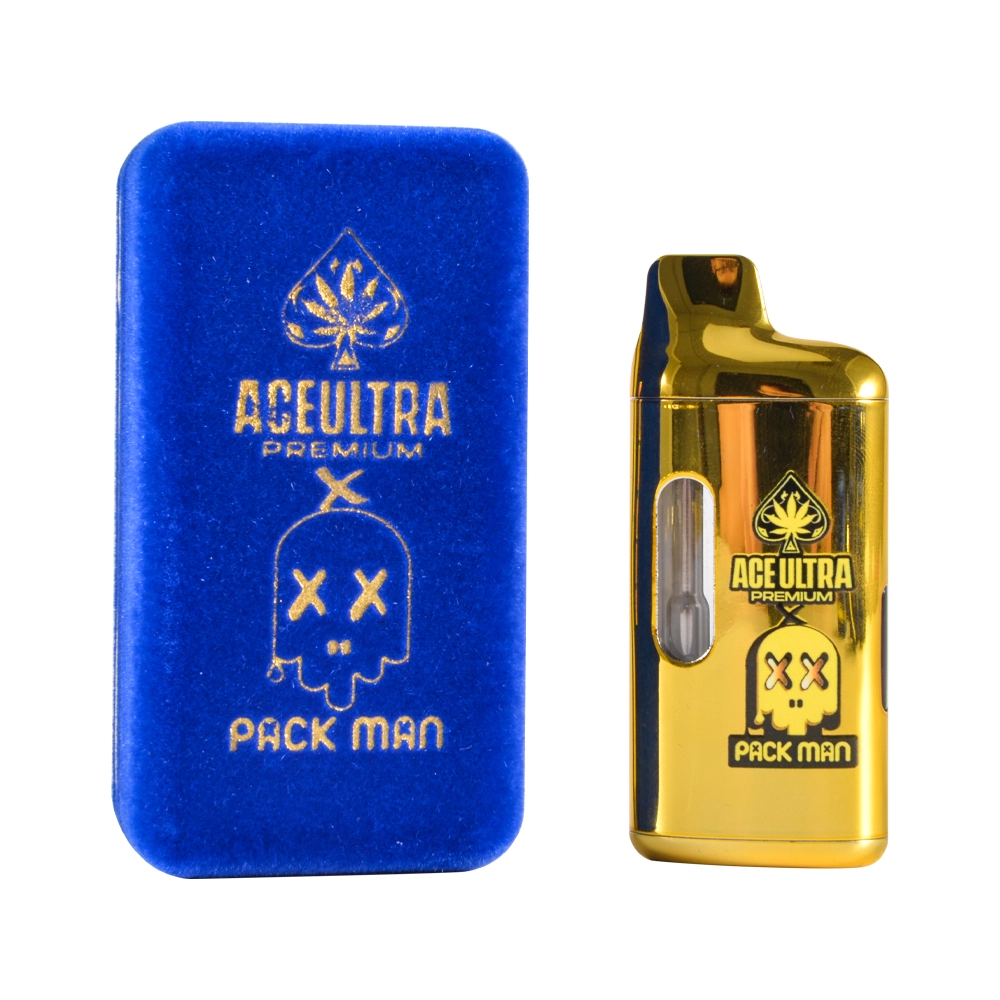
In wholesale, “popular” doesn’t just mean a product gets attention—it means it moves fast, stays consistent across lots, and doesn’t create returns, shipping issues, or customer-service fires. The Ace Ultra x Packman V2 Disposable 2g is a good example of a SKU that checks the B2B boxes: clear spec sheet, retail-ready presentation, and purchasing tiers that make reordering easy.
Note: This post discusses the device as hardware (empty pod shell). Buyers should always confirm local legal requirements and use cases before listing or distributing.
Quick snapshot: specs + tier pricing (what buyers care about)
Here’s why this SKU is easy to evaluate quickly: the listing includes the handful of “make-or-break” numbers most B2B buyers use for compatibility and return-risk screening.
Device specs (from the product listing)
| Spec | Value | Why B2B cares |
|---|---|---|
| Tank volume | 2.0 ml (empty pod) | Standardized capacity simplifies SKU planning and shelf labeling. |
| Battery capacity | 320 mAh | Affects customer satisfaction and charge/return rates. |
| Intake oil hole | 4 × 1.6 mm | Bigger intake pathways can improve flow with thicker formulations and reduce clog complaints. |
| Resistance | 1.4 Ω | Helps predict heat/load behavior and consistency across lots. |
| Charging | USB Type-C | Modern connector = fewer “wrong cable” issues and easier retail support. |
| Packaging | Boxes | Shelf-ready presentation and lower damage in transit. |
Tier pricing (example from the listing)
| Qty tier | Price / piece | How B2B uses it |
|---|---|---|
| 100+ | $4.17 | Pilot run / first reorder validation. |
| 500+ | $3.54 | Core restock tier for most smoke shops and mid-size distributors. |
| 1000+ | $3.46 | Aggressive pricing for promos or multi-location inventory. |
| 2000+ | $3.38 | Best-fit for high-volume programs and long-run planning. |
If you’re comparing platforms, also browse the broader ACE Ultra x Packman Wholesale collection and the 2 Gram Disposable Vape Bulk category to benchmark pricing, formats, and sell-through candidates.
The real reasons B2B buyers keep reordering
B2B buyers don’t reorder because a SKU is “cool.” They reorder because it behaves predictably in four places: (1) the warehouse, (2) the shipping lane, (3) the retail shelf, and (4) the returns bin. The V2 is popular because it’s built around predictable specs, familiar UX (auto-draw + Type-C), and a shelf-ready presentation—so it’s easier to scale than “mystery” devices with vague specs.
What “popular” looks like in wholesale reality
- Faster decision-making: clear specs reduce back-and-forth in RFQs.
- Lower risk per reorder: consistent platform + basic documentation expectations are easier to meet.
- Better shelf performance: boxed packaging + recognizable collab naming helps staff sell it.
- Smoother support: modern charging + standard resistance reduces “it doesn’t work” complaints.
Specs that reduce clogs, complaints, and returns
For B2B, “performance” is really “return rate.” The listing calls out three numbers that usually correlate with fewer customer issues when the device is used as intended:
1) Intake pathways sized for flow (4 × 1.6 mm)
When buyers report clogging or weak pulls, the intake path and oil/air routing are frequent culprits. Larger intake dimensions can support better flow and reduce the chance that thicker materials choke the inlet. That’s why B2B buyers screen intake specs early—before they commit to volume.
2) Resistance that signals platform stability (1.4 Ω)
Consistent resistance is a proxy for consistent heating behavior across batches. In procurement terms: tighter consistency generally means fewer “this batch hits different” complaints, and fewer RMAs. A listed 1.4 Ω target gives buyers a clear incoming inspection benchmark.
3) Battery + charging choices that reduce support tickets
A 320 mAh battery paired with USB Type-C is a practical combination for retail support: customers already have cables, and staff can troubleshoot quickly. In wholesale, that translates to fewer “dead device” claims and smoother customer service.
Retail-ready packaging & “easy-to-sell” SKU logic
Even in B2B, most inventory ultimately has to be sold by a human behind a counter. Boxed packaging matters because it:
- Reduces transit damage (fewer crushed boxes, fewer cosmetic rejects).
- Improves shelf presentation (clean face-out display, easier price labeling).
- Supports SKU clarity (staff can identify it quickly, which speeds checkout and reduces mistakes).
The collab naming (“Ace Ultra x Packman”) also behaves like a built-in merchandising hook: it’s easy for staff to remember and for customers to ask for—helping reorder velocity.
Tier pricing that supports margin planning
A major reason buyers like this platform is that it’s not priced like a one-off novelty SKU. The tier structure makes it easy to align purchasing with your growth stage:
- Start at 100+: validate demand and confirm the lot meets your QC baseline.
- Move to 500+: restock tier for consistent shelf presence without overloading cashflow.
- Scale at 1000–2000+: support promos, multi-store distribution, or predictable monthly turns.
Pro tip for B2B buyers: treat your first order as a pilot, not a profit-maximizing buy. Your goal is to verify (a) batch consistency, (b) defect rate, and (c) shipping smoothness. Profit comes on reorder.
Shipping & documentation: what serious buyers request
When you scale volume, risk shifts from “will it sell?” to “can it ship safely and consistently?” For devices with lithium batteries and charging electronics, B2B buyers commonly request documentation that supports: transport safety and electrical system risk control.
What to ask for (practical, widely used checklist)
- UN 38.3 evidence + Test Summary: lithium cells/batteries must pass UN Manual of Tests and Criteria subsection 38.3 for transport; many shippers and downstream partners ask for the Test Summary. UN Manual of Tests and Criteria (UNECE) and PHMSA Test Summary guidance.
- Air-transport alignment: IATA guidance emphasizes UN 38.3 testing as a baseline requirement for transport of lithium cells/batteries. IATA lithium battery resources.
- Electrical system safety testing pathway: UL Solutions describes UL 8139 testing for the electrical, heating, battery and charging systems of vaping devices. UL 8139 overview.
- Cell/battery safety standard reference: IEC 62133-2 outlines safety requirements and tests for portable sealed secondary lithium cells/batteries. IEC 62133-2:2017 (IEC).
Why this matters (and why buyers are stricter now)
Transport regulators and safety agencies have highlighted the risks of substandard lithium batteries. For example, Transport Canada’s research discusses hazards and failure modes when products don’t meet UN 38.3 test expectations. That’s why wholesale buyers increasingly treat documentation as part of procurement—not an afterthought.
A practical incoming QC checklist for wholesale lots
If you’re buying this SKU at 500+ or 1000+ quantities, a lightweight QC process pays for itself quickly. Here’s a simple checklist you can run on arrival (and repeat each reorder):
Copy/paste QC checklist (5–10 units per 500; 13–20 units per 2000)
- Resistance check: verify coil resistance is near the stated 1.4 Ω target (flag wide drift).
- Airflow + draw activation: confirm consistent auto-draw across samples (no “dead draw”).
- Charge & port inspection: test Type-C ports for fit and stable charging behavior.
- Visual inspection: cracks, misalignment, loose seals, or cosmetic damage (box + device).
- Intake integrity: confirm intake pathway is unobstructed and consistent with stated 4 × 1.6 mm design.
- Packaging count audit: carton count, SKU labels, and any batch identifiers you rely on.
If you want a fast benchmark against similar formats, compare it against other devices in the 2g Disposable Vape Pen lineup (same capacity class, easier apples-to-apples QC).
Who this SKU fits best (and when to choose another platform)
Best fit
- Smoke shops & convenience retail that need a recognizable SKU with boxed presentation.
- Regional distributors who want a stable reorder item with clear tier pricing.
- Programs that value predictable specs (listed intake, resistance, battery, charging type).
Consider alternatives if…
- You need a display-heavy device—browse the Vape With Screen Wholesale category.
- Your strategy is ultra-low price above all else—compare multiple 2g platforms and prioritize QC pass-rate first.
- You require a very specific inlet or resistance profile—treat it as an engineering match, not a branding decision.
B2B FAQs
Is the Ace Ultra x Packman V2 sold as empty hardware?
The product is listed as “Empty Pods” on the product page. Always confirm order contents and intended use with your supplier (and keep purchase documentation for your records).
What makes V2 easier to stock than “random” disposables?
The combination of a clear spec sheet (capacity, battery, intake, resistance, charging) plus boxed packaging reduces uncertainty. Less uncertainty = faster purchase approval and faster reorder cycles.
What’s the smartest first order size?
For most B2B buyers: start at a pilot tier (e.g., 100+) to validate QC and shelf performance, then scale to the tier that matches your weekly turn and cashflow planning.
What documents should I keep on file?
At minimum: invoices, lot identifiers (if provided), and any transport-related battery documentation available to you (UN 38.3 test evidence / test summary when applicable), plus any supplier QC terms.
Takeaways + next step
- Popular in B2B because it’s easy to evaluate, easy to stock, and easier to support.
- Specs like 4 × 1.6 mm intake, 1.4 Ω resistance, 320 mAh battery, and Type-C charging reduce uncertainty and returns.
- Tier pricing supports pilot → reorder → scale without changing platforms.
- Documentation discipline (UN 38.3, test summaries, electrical safety pathways) protects your shipping lane and brand.
Ready to compare options or reorder confidently? Start with the Ace Ultra x Packman V2 Disposable 2g listing, then benchmark against the ACE x Packman collection to plan your next wholesale buy.
0 Comments