


What Will Be the Best-Selling Vape Brand in 2026? A Data-Backed Forecast for Buyers
1) Define “best-selling” (so your forecast matches reality)
Before naming a “best-selling brand,” decide which scoreboard you care about:
- Tracked mainstream retail (multi-outlet + convenience): the cleanest data, but it often under-represents specialty stores and online.
- Specialty/online velocity: where fast-moving disposables and novelty features can dominate, but data is fragmented.
- Regulated-only: “best-selling” among products that are explicitly authorized for legal sale in a given country.
Why this matters: Reuters reporting using Circana data highlighted how large “unauthorized” disposable sales can be relative to tracked channels, which can distort who looks like a “winner” depending on the dataset you use. (Reuters, Feb 24, 2025)
2) The 2026 forces that will pick the winner
A. Regulation is now a product feature
In the U.S., the FDA maintains a list of e-cigarettes “authorized by the FDA” and notes that these are the only e-cigarettes that may be lawfully sold in the United States. (FDA authorized ENDS list (updated Dec 2025))
In the U.K., single-use vapes have been banned from sale and supply since June 1, 2025. (UK Government announcement)
Translation for 2026: brands that can rapidly pivot formats (e.g., from single-use to reusable pod systems) and keep compliance clear will have a structural advantage in markets tightening rules.
B. “Smart” features are pulling demand (but also raising QC expectations)
Recent U.S. retail monitoring notes top brands and calls out “smart vapes” (devices incorporating advanced features) among leading brands in measured periods. (Monitoring E-Cigarette Sales: National Trends (data brief))
For buyers, “smart” can mean higher conversion (users love clear UX) and higher return risk if screens, firmware, or charging behavior aren’t stable across lots.
C. The “best seller” is increasingly the brand that can stay in stock
Even when enforcement rises, high-demand products can remain widely available through shifting ownership structures and supply chains. Reuters has reported on how some firms pivot amid U.S. enforcement actions and how that complicates the market picture. (Reuters, Feb 25, 2025)
D. Youth-use pressure keeps pushing formats away from “disposable everything”
Public-health monitoring continues to track rising sales and the dominance of flavored categories over time—one reason regulators keep tightening marketing and format rules. (CDC Foundation / Truth Initiative summary)
3) 2026 shortlist by market scenario
Instead of pretending one brand will “win everywhere,” use scenarios. Here’s a practical 2026 view, grounded in recent retail monitoring and regulatory direction.
| Market definition | Most likely 2026 “best-seller” profile | Why this profile wins |
|---|---|---|
| U.S. tracked mainstream retailcleanest data | Authorized incumbents that dominate measured dollar sales | National monitoring has shown leading dollar-sales brands in measured periods and highlights how concentrated the top brands can be. (Data brief) If your channel is compliance-sensitive (major retailers, strict distributors), “best-selling” often equals “safe to list, ship, and restock.” |
| U.S. specialty + onlinehigh velocity | Feature-led disposables (display UX, strong flavor consistency, fast churn) | Reuters reporting using Circana data illustrates the scale of unauthorized disposable sales and how quickly demand shifts between brands/models. (Reuters) |
| U.K. (post single-use ban)format shift | Reusable systems (refillable or pod-based) with strong retail availability | With single-use vapes banned since June 1, 2025, demand has to move into reusable formats—so the “winner” becomes whoever owns the reusable shelf. (UK Government) |
| Regulated-only U.S. definitionstrict legal | Products on the FDA authorized list | The FDA states only authorized e-cigarettes may be lawfully sold in the U.S. If your business is “authorization-only,” your winner set is constrained by that list. (FDA) |
- In regulated-heavy channels: the “best seller” is the brand that is authorized, listable, and continuously in stock.
- In high-velocity specialty channels: the “best seller” is the brand that pairs sticky UX (often “smart” features) + flavor consistency + rapid restock.
- In post-disposable markets: the “best seller” is the brand that wins the reusable shelf and keeps compliance simple.
4) A simple scorecard you can use in your buying plan
If you want to forecast your own “best-seller” for 2026 (the one that sells fastest in your channel), score brands/SKUs on five measurable signals:
Signal 1 — Channel fit (regulated-only vs. specialty)
If your channel requires strict compliance, start by checking whether your assortment aligns with what your market permits (e.g., FDA authorized list for the U.S.). (FDA)
Signal 2 — Format resilience (will this format still be allowed?)
In markets banning single-use, the “best-seller” can’t be a single-use device. The U.K. is the clearest example right now. (UK Gov)
Signal 3 — UX pull (does the device reduce user friction?)
“Smart” features can lift conversion, but they also create QC failure modes (dead pixels, inconsistent indicators, charging edge cases). If screens are part of your assortment, build tighter incoming inspection and acceptance criteria.
Signal 4 — Restock reliability (lead time + warehouse positioning)
In fast cycles, the brand that stays available wins—even if a competing brand has better marketing. Track: dispatch time, fill rate, and the percentage of POs that ship complete.
Signal 5 — Return pressure (DOA, leaks, charging failures)
The real “best-seller” is often the SKU with the best net margin after credits and replacements. If a line looks great until you count returns, it’s not a winner.
5) What to do now (buying strategy for 2026)
Build your 2026 assortment around formats buyers are actively choosing
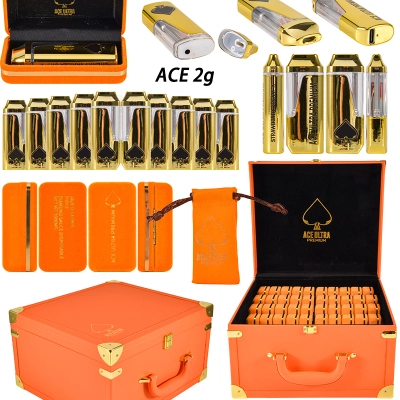
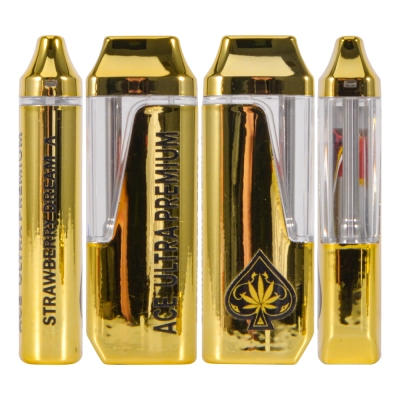
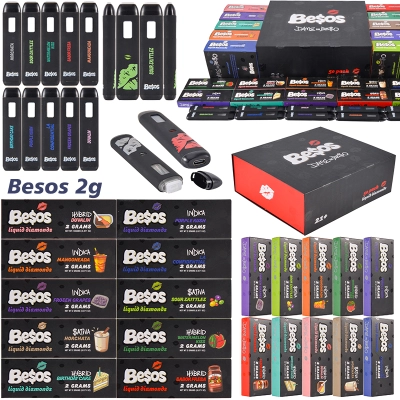
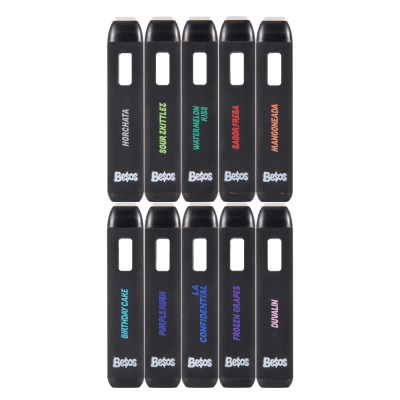
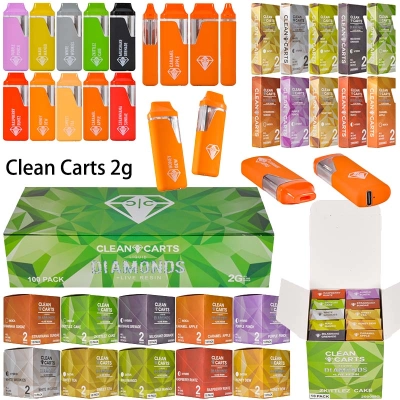
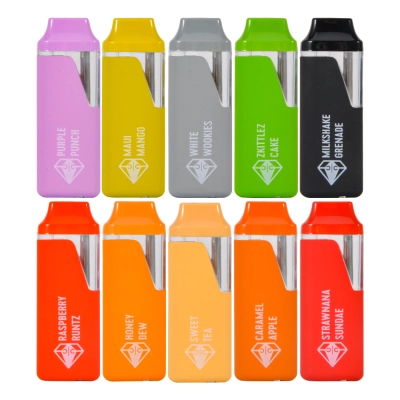
In many markets, capacity-class disposables remain a major demand driver in specialty channels. If you sell where that’s legal and appropriate, keep your catalog organized by capacity and platform—then validate repeatability lot to lot. (See our internal category: 2g disposable vape pen.)
If you carry screens, treat them like electronics (because they are)
Screens can increase sell-through, but your QC must cover: indicator logic, dead segments, port robustness, and transit vibration tolerance. Browse: disposable vape with screen.
Don’t bet the whole year on one label—bet on repeatable platforms
Labels and packaging trends move fast. Platforms that perform consistently (battery, heater, seals, airflow) are what protect reorders. If you’re building a branded program, align it with stable, reorder-friendly lines—then lock specs in writing. For brand-specific sourcing options, see: Muha Meds vape wholesale.
Compliance note: This article is business analysis and does not provide legal advice. Laws, product authorization, and age restrictions vary by country/state. Always operate within your local regulatory framework.
Sources (authoritative links)
- FDA: E-cigarettes authorized by the FDA (ENDS list, Dec 2025 update) — source
- Monitoring E-Cigarette Sales: National Trends (data brief PDF) — source
- UK Government: Single-use vapes banned from 1 June 2025 — source
- CDC Foundation / Truth Initiative: Monitoring E-Cigarette Trends in the U.S. (summary) — source
- Reuters: Illegal U.S. vape sales worth at least $2.4B in 2024 (Circana data) — source
- Reuters: Vape firms pivot after FDA crackdown (enforcement context) — source
0 Comments