


Screen vs No-Screen Devices: Battery Life, User Trust & Support Ticket Impact
1. Why it Matters
As a wholesale partner or hardware brand in the vape industry, choosing whether to integrate a display screen or remain with a minimalist screen-free design is no longer just about aesthetics. It impacts three critical vectors:
- Battery performance and usable life
- Customer confidence and transparency
- Volume and nature of support tickets and returns
Let’s examine how each dimension plays out when comparing a “screen-equipped” vs “no-screen” device.
2. Battery Life Comparison
Here are the key considerations for how device screen inclusion affects battery life:
2.1 Screen-enabled devices
Devices that include a display (LCD/LED or touchscreen) allow for real-time metrics like battery percentage, puff count or juice level. For example, one source notes that “A screen will naturally consume some of the device’s battery power when it’s on.”
Another market survey found that devices with screens averaged ≈ 11,576 puffs (cost ~$0.0013 per puff) vs screenless at ≈ 7,584 puffs (~$0.002 per puff) in one sample.
Upside: The improved transparency (battery level, e-liquid estimation) means fewer “dead device” experiences mid-session.
Downside: The screen draws power and can add complexity (sensor/algorithm overhead) which may reduce net energy available for vaping output.
2.2 No-screen devices
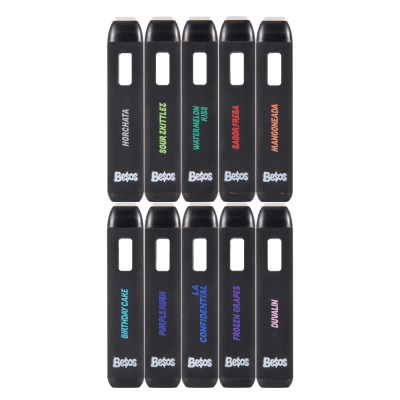
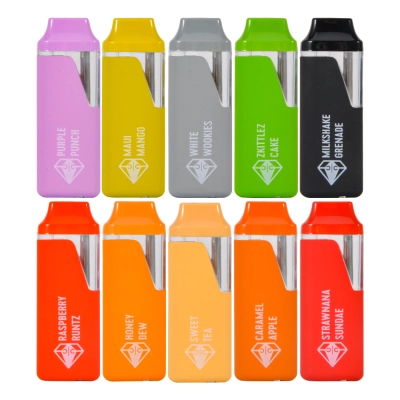
Without a screen, the device typically uses a simple LED indicator or no indicator at all. This means lower electronics draw, simpler architecture, and potentially less failure risk—but at the cost of less transparency to the end user.
From a design perspective, less circuitry means fewer parasitic loads and improved “usable battery capacity” for the coil/heater. That said, user dissatisfaction grows when the device appears to “fail” with no warning.
2.3 Trade-off summary
| Feature | Screen-Equipped | No-Screen |
|---|---|---|
| Battery visibility | High (percent, sessions) | Low or none |
| Parasitic power draw | Higher | Lower |
| User confidence in remaining life | Higher | Lower |
| Complexity / failure risk | Potentially higher | Simpler |
Key point: If the screen is well-engineered, the transparency gains may outweigh the minor battery draw. But if battery capacity is constrained, the screen must be balanced against core vapour output.
3. User Trust and Perception
User perception of device reliability strongly influences brand loyalty, repeat purchase behaviour, and support burden.
3.1 Transparency breeds trust
When users can see battery level, puff count, or e-liquid remaining via the screen, they feel more in control. A study found that screens “enable users to monitor device performance, battery life, and e-liquid consumption, fostering a sense of safety and transparency.”
This improved user experience has downstream benefits: fewer surprise issues, less user frustration, and stronger brand trust.
3.2 Simplicity and reliability perceptions
However, no-screen devices carry their own perception benefits: fewer components means fewer points of failure. As one source notes, “Reliability matters … a dependable vape ensures consistent flavour delivery and reduces the risk of malfunction.”
From a user perspective, a simple plug-and-vape experience with few screens or settings reduces cognitive overhead and may appeal to beginners.
3.3 Which user segments prefer which?
For experienced users who track usage, puff count or battery health, screen devices tend to appeal. For casual or first-time vapers, simplicity (no screen) may be more aligned with expectations.
One research snippet: “Cannabis users… are more likely to opt for devices with display screens. … devices with capacities of 2 g or more… now make up 86% of the market with screen features.”
4. Support Ticket Impact
From an operations and logistic standpoint, the device choice plays a major role in support ticket volumes, reasons for return, and cost burdens.
4.1 Common support issues with screen devices
- Screen failure (flicker, blank, no display) leading to user confusion/returns.
- Battery drain due to screen/LED logic—even when device idle—causing complaints of “dead on arrival”.
- Firmware or sensor mis-calibration (juice estimation algorithm wrong) triggering user dissatisfaction.
4.2 Common support issues with no-screen devices
- “Device died unexpectedly” complaints—since no battery indicator was visible.
- User confusion about end-of-life: Is it battery, coil, juice or device fault?
- Difficulty in upselling higher-capacity models when user cannot track usage themselves.
4.3 Comparative support burden
While adding a screen can increase the complexity of manufacturing and add additional failure modes, the transparency provided can reduce “unknown causes” tickets. A device that tells the user “battery at 10%” reduces the probability of a ‘why did my device stop’ support call.
Operationally, from a wholesale/distributor viewpoint this can translate into lower return rates and fewer escalations—provided the screen and embedded electronics are high quality.
5. Strategic Takeaways for Brands
Here are actionable recommendations for hardware brands and distributors evaluating the screen vs no-screen debate:
- Define your target segment: Are you selling to advanced users who value usage data, or to entry level vapers prioritising simplicity?
- Assess battery capacity and ensure screen draw is accounted for in usable life metrics.
- Choose quality components for the screen/sensors to avoid reliability drag and support tickets.
- Train customer service teams to interpret screen metrics and guide users—this can reduce misdiagnosed “device failure” tickets.
- Consider marketing the screen as a feature of “user transparency & trust” rather than just “cool tech”.
- Track support tickets by device model and feature-set; compare screen vs no-screen to inform next generation hardware decisions.
By aligning hardware features with user expectations and operational cost structures, you can optimise both purchase appeal and backend support efficiency.
6. FAQ
Q: Does a screen always reduce battery life?
A: In theory yes, a screen draws additional power. In practice, a well-designed device accounts for this and maintains comparable puff counts—particularly when trade-outs are managed (larger battery, efficient display, sleep mode). For example, industry data shows screen-equipped devices averaging higher puff counts in one study.
Q: Are support tickets higher for screen devices due to complexity?
A: There is risk of more failure modes, but if implemented correctly screens can **reduce** ambiguous support tickets (e.g., “my device died why?”) because users have actionable data. The net effect depends on component quality and user education.
Q: For a budget device should I skip the screen?
A: If your target user is entry-level and values cost and simplicity over control, then a screen-free device may be optimal. If your audience values transparency and advanced tracking, then a screen becomes a meaningful differentiator.
If you’re interested in further deep-dives on battery management, user behaviour analytics or support-ticket benchmarking for vape hardware, drop us a line at extractsvape.com.




0 Comments