

Packman x Melt Wholesale: How to Find Reliable Suppliers and Maximize Your Profit Margins
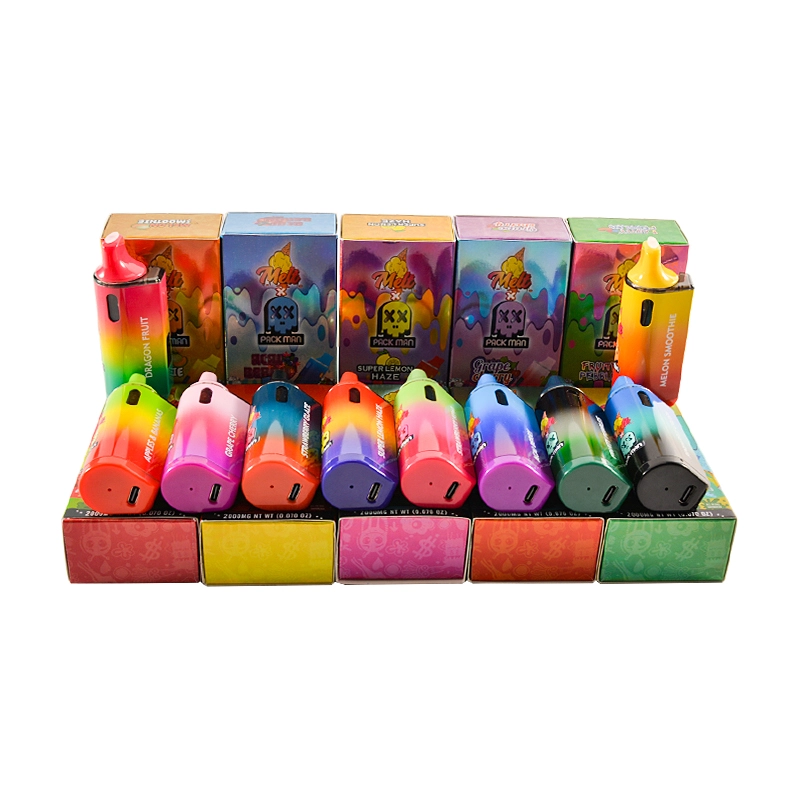
If your 2025 roadmap includes expanding into Packman x Melt–style empty devices and private-label 2‑gram all‑in‑ones, this guide distills what B2B buyers need to know to source reliably and protect margins. We’ll use findings from ExtractsVape’s catalog structure and global warehousing footprint as practical context, then layer in compliance and logistics signals (UL 8139, UN38.3, regional policy shifts) that directly impact landed cost and sell‑through. The goal: a repeatable checklist you can apply whether you’re procuring melt x packman 2g look‑alike hardware for white‑label runs or replenishing ready‑to‑brand shells.
What “Packman x Melt” Means in B2B Terms
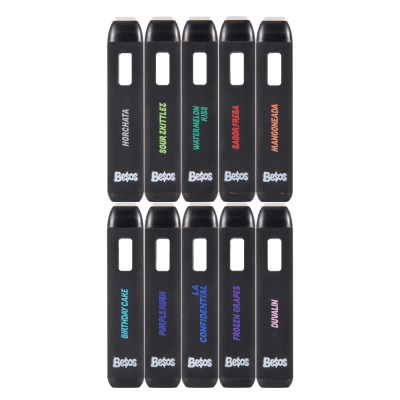
In wholesale conversations, “Packman x Melt” typically refers to a silhouette and feature set popularized by collab‑style disposables: compact chassis, 2g oil window, USB‑C recharge, mesh/ceramic atomization, and a flavor‑forward airflow geometry. For OEM/ODM buyers, treat it as a spec family rather than a single SKU: choose the battery class (typically 300–500 mAh for 2g), coil technology (porous ceramic vs. mesh‑wrapped ceramic), body material (PC/ABS with soft‑touch options), and compliance pack (warning area, QR/COA zone, serialization). Keeping the conversation in ‘specs’ avoids trademark risk while ensuring you’re evaluating apples‑to‑apples across factories.
Where ExtractsVape Fits
ExtractsVape positions itself as a wholesale catalog and OEM gateway with category landing pages for brands and styles (including “Melt x Packman”) and regional inventory nodes (U.S., U.K., Germany, Poland). For buyers, this matters because regional stock shortens lead time and reduces cross‑border risk. It also makes it easier to run small pilots domestically before committing to container‑level MOQs.
How to Verify a Reliable Supplier (10‑Point Checklist)
- Battery & Electrical Safety: Request UL 8139 test evidence covering electrical, heating, battery and charging systems; if using cell packs, ask for IEC 62133‑2 test reports on the cell level.
- Transport Readiness: Obtain UN 38.3 test summaries for each battery model; confirm packaging, SOC ≤ 30% for cargo air, and labeling per PHMSA/ICAO.
- Materials & Heavy Metals: For any wetted components (center posts, solders), confirm materials policy (e.g., stainless steel grades) and expanded metals strategy to minimize leach risk.
- Coil QA: Require lot‑level continuity and resistance testing documentation; specify acceptable ohm tolerance (±0.05Ω–0.1Ω depending on design).
- Firmware/Protections: If the device uses a board (puff counter/screen), specify over‑current, over‑charge, over‑discharge, short‑circuit protections, and sleep/lock behavior.
- Labeling Canvas: Ensure body or packaging reserves compliant warning areas by market (e.g., EU TPD warning blocks) and a zone for anti‑counterfeit/QR and lot code.
- Factory Systems: ISO 9001 for quality management; CAPA logs available upon request; agree on PPAP or golden‑sample process for cosmetic and functional criteria.
- Traceability: Serial or batch coding that links to incoming cell lots and atomizer lots; require 12–24‑month retention of batch records.
- After‑Sales SLA: DOA/early‑life‑failure definition (e.g., <2% within 30 days), RMA turnaround windows, and root‑cause analysis commitment for systemic defects.
- Sustainable End‑of‑Life: WEEE/RAEE take‑back options in applicable regions and guidance on local recycling/disposal to reduce operational risk.
Margin Math for 2g Disposables (Worked Example)
Wholesale margins hinge on your true landed cost (EXW/FOB + freight + duties + labeling + QC hold cost) versus your street price by channel. As a directional rule of thumb, many vape retailers target buy‑in at 50–70% of planned retail, leaving 30–50% room for gross margin. For B2B distributors, net margins compress (often 10–20%) but velocity is higher. Here’s a simple template you can adapt:
|
Item |
Unit Cost (USD) |
Notes |
Levers |
|
EXW Device (2g class) |
$5.20 |
Base shell, ceramic coil, USB‑C |
Negotiate at 1k/5k/20k tiers |
|
Branding & Packaging |
$0.60 |
Box, inserts, labels |
Panelize art; standardize dielines |
|
Compliance/Testing Docs |
$0.15 |
Prints, QR/COA set‑up |
Batch QR automation |
|
Freight & Duties |
$0.75 |
Air cargo mix; UN38.3 packaging |
Consolidate; sea‑air for EU |
|
QC Hold & Scrap |
$0.10 |
Early‑life failures |
Tighten AQL; 100% battery pre‑charge |
|
Landed Cost |
$6.80 |
Sum of above |
— |
|
Target Wholesale |
$9.80 |
~31% over landed |
Bundle with carts/chargers |
|
Planned Retail |
$19.99 |
Channel‑specific |
Map promo cadence |
Adjust the EXW and logistics lines to your warehouse region. Regional stock (e.g., U.S./E.U. hubs) can reduce the freight line and shrink your cash conversion cycle.
A 30‑Day Sourcing Playbook for melt x packman wholesale
- Days 1–5: Requirements. Lock your spec (battery mAh, coil type, oil window, body finish), regulatory needs per market, and artwork templates.
- Days 6–10: Shortlist 3–4 suppliers with verifiable UL 8139/UN38.3/IEC 62133 documentation. Request golden samples and battery test summaries.
- Days 11–15: Pilot Order. Place a 200–500 unit pilot from the top 1–2 suppliers. Use domestic inventory where possible to accelerate feedback.
- Days 16–20: QA & Field Test. Measure failure rate, shelf leakage, airflow variance, charge‑to‑empty performance, and packaging durability.
- Days 21–25: Commercials. Negotiate tiered pricing, RMA terms, and exclusivity windows for custom molds or colors.
- Days 26–30: Scale. Commit to 5k–20k with rolling deliveries; align content calendar and channel‑specific bundles before inventory lands.
2025 Market Signals That Affect Your Margins
- Disposable share and policy headwinds: U.S. data show disposable unit share growth alongside stronger enforcement against unauthorised flavored SKUs; plan assortment and labeling conservatively by state. • U.K. ban on single‑use disposables (June 2025): treat U.K. as a rechargeable‑only market going forward to avoid stranded inventory. • Global growth: Long‑run growth projections for e‑cigarettes remain positive, but inputs (cells, ICs) and compliance costs fluctuate—lock quotes for 30–60 days.
How to Rank for “best disposable vape 2025”
If you operate content as well as wholesale, target comparison frameworks rather than superlatives. Benchmark 2 g devices by: battery capacity and charge‑to‑empty success rate; coil material and resistance; airflow geometry (tight MTL vs. RDL); charge time and protections; failure rate over 30 days.
Quick Supplier Q&A (Use in Vendor Calls)
Q: Can you show UL 8139 compliance or equivalent electrical safety testing for this exact SKU?
A: Expect a report number and lab; screenshots alone are not enough.
Q: Do your cells have UN 38.3 test summaries and SOC≤30% protocols for cargo air?
A: Ask for PDFs and check model numbers match packaging labels.
Q: What’s the average charge‑to‑empty rate for 2 g at room temp?
A: Good targets: ≥95% at 23°C with 3–4 recharge cycles.
Q: What is your atomizer resistance tolerance and leakage rate at 40°C storage?
A: Look for tight control (±0.05–0.1Ω) and <1% leakage in accelerated aging.
Q: What’s your DOA threshold and RMA turnaround?
A: ≤2% DOA; replacements within 14 days on validated claims.
Responsible Marketing & Compliance Note
This article focuses on hardware procurement and operational considerations. Always follow applicable laws. In the U.S., marketing and sale of nicotine or cannabis devices is regulated; ensure labeling, age‑gating, and product claims comply with jurisdictional rules. For products with lithium batteries, follow safe shipping and recycling guidance and do not direct consumers to refill single‑use devices.
Next Steps
Ready to pilot a melt x packman 2g form factor? Start with a 200–500 unit domestic run to validate failure rates and charge‑to‑empty performance, then scale to tiered pricing with regional warehouses to stabilize gross margins.
0 Comments