

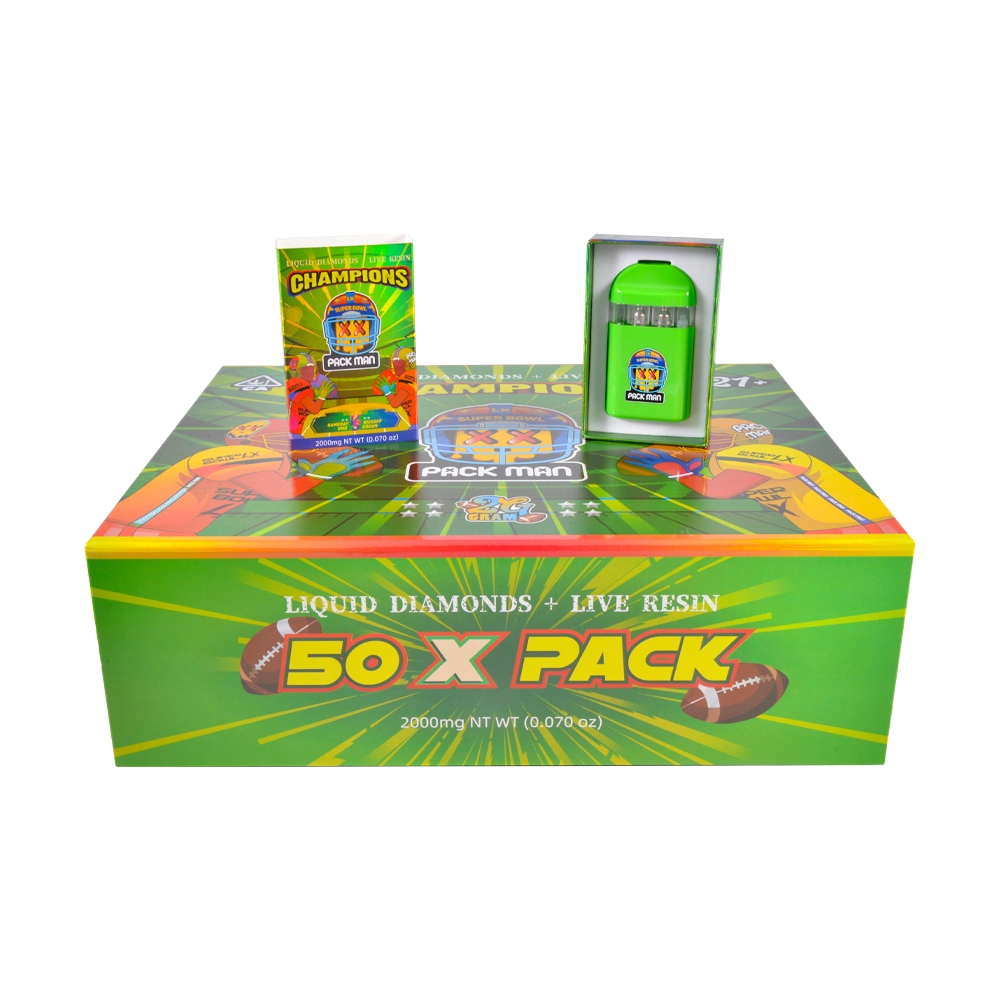
Limited-Edition Playbook: How to Stock + Market Packman NFL Dual Chamber (Without Overbuying)
Compliance note: This article focuses on empty device hardware and operational planning. Always follow local laws, age-gating, platform policies, and trademark/licensing rules in your market.
1) Why limited editions are easy to overbuy
Limited-edition “event” products create a predictable pattern: a short hype spike (fast sell-through), then a fast attention drop. Overbuying usually happens when you mistake the spike for a new baseline.
What’s different about the Packman NFL dual-chamber format
- Two-chamber storytelling is a marketing advantage (A/B, “switch,” “two-in-one”), but only if you actively explain it at the shelf and online.
- Dual-chamber hardware can have more interfaces (seals, paths, switches/screens), so the cost of weak QC shows up as returns—not just lower margin.
- Limited-edition timing means your “best” marketing window is short. Your stock plan must match the calendar.
Quick spec snapshot (so you can write accurate listings)
- Battery: 300 mAh
- Tank volume: 2.0 ml (empty)
- Charge: USB-C
- Resistance: 1.4 Ω
If you’re evaluating this specific item, start with the product page: Packman NFL dual chamber.
2) A no-overbuy stocking model (with reorder triggers)
The safest approach for limited editions is two-phase buying: a controlled launch buy + an optional restock buy. Your goal is to avoid tying up cash in the “tail.”
Step A — Split demand into 3 buckets
- Spike demand (Days 1–7): fans + curiosity buyers. Marketing-driven.
- Base demand (Days 8–21): replacement buyers + late adopters. Merchandising-driven.
- Tail demand (Day 22+): only moves with discounts/bundles. Margin-driven.
Step B — Use “Signal-First” forecasting (don’t guess)
Before you place your full buy, collect demand signals you can trust:
- Account holds: offer your top customers a small, time-boxed reservation (e.g., 24–48 hours) with a deposit or PO confirmation.
- Waitlist count: one QR/landing page, one CTA (“Join drop list”). Track signups per store/channel.
- Sell-through test: place a controlled first batch and measure 72-hour velocity. Let data earn the restock.
Step C — Set a simple launch buy formula
Launch Buy (units) = Expected 14-day sales + Safety Stock
- Expected 14-day sales: based on reserved POs + your test velocity.
- Safety stock: a small buffer for variability (not “hope inventory”).
Step D — Reorder triggers (to prevent panic buying)
| Trigger | What to measure | Decision |
|---|---|---|
| 72-hour signal | Sell-through of the first batch | If ≥ 35–50% sold in 72 hours, queue a restock option (not a massive rebuy). |
| 7-day signal | Return/defect rate + customer feedback | If returns spike, pause restock and fix QC/content first. |
| 14-day signal | Repeat purchase + “organic” (non-promo) sales | If demand holds without heavy promos, restock modestly; otherwise plan an exit bundle. |
Step E — Protect cash flow with “restock options”
Instead of a single huge PO, structure your supply plan as:
- Phase 1: launch buy sized for 14 days
- Phase 2: a smaller restock that is only released if your triggers hit
- Exit plan: pre-written bundle/markdown rules (so you don’t improvise later)
If you stock multiple Packman formats, centralize your merchandising under: Packman vape wholesale so buyers can compare versions without staff doing a full explanation every time.
3) A practical marketing playbook for dual-chamber drops
Scarcity works best when it’s real and verifiable. Your marketing job is to create clarity, not hype noise.
Message architecture (keep it simple)
- What it is: limited-edition NFL-themed dual-chamber format
- Why it’s different: two chambers, one device experience (switching/storytelling)
- How to buy: drop date + allocation rules + restock rules
- What you guarantee: QA/QC checkpoints + shipping transparency
3 content assets that lift sell-through (and reduce returns)
- 10–15 second “switch demo” video (show the switching indicator/behavior clearly).
- 1 image: “Two chambers, one device” (simple diagram-style graphic; avoid clutter).
- One-sentence staff script: “This is a dual-chamber device—customers can choose A, B, or a combined experience depending on the version.”
Drop calendar (a low-risk sequence)
- T-7 to T-3 days: waitlist + teaser (no deep discounting)
- T-2 to T day: announce allocation rules (limits per account/store)
- T day to T+3: highlight “how it works” content + social proof (not coupons)
- T+4 to T+14: bundles that protect margin (display, batteries, accessories, or a “mix & match” multi-SKU pack)
Pricing discipline that prevents dead stock
- Don’t lead with discounts. Lead with clarity + scarcity.
- If you must discount, make it conditional (e.g., “buy 2 boxes, unlock price tier,” or “bundle-only”).
- Write your markdown plan now: “If sell-through < X by Day 21, move to bundle B; if < Y by Day 35, move to clearance channel.”
4) Operations & shipping: prevent delays, returns, and dead stock
QC + listing accuracy (your highest-ROI work)
- Match listings to real specs (battery, charging, resistance, empty tank volume).
- Batch traceability: keep carton/lot identifiers tied to inbound inspection notes.
- Return triage: separate “education issues” (customer didn’t understand switching) from true defects.
Lithium battery shipping basics (avoid surprise holds)
- UN 38.3 testing applies to lithium cells/batteries used in devices shipped through many channels.
- Many shippers also require test summaries and correct packaging/marking documentation depending on mode (air/ground/sea) and route.
- Work with your carrier/forwarder early—limited editions lose value fast if delayed.
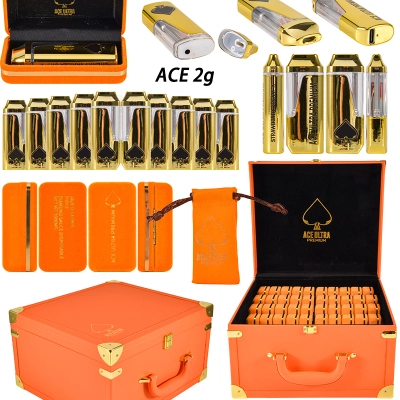
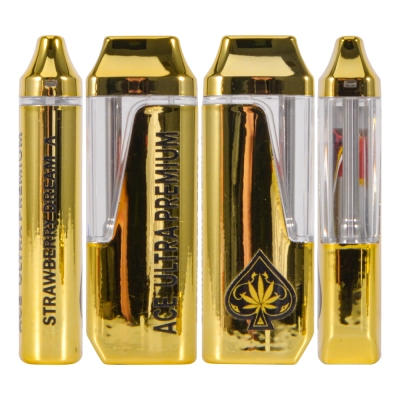
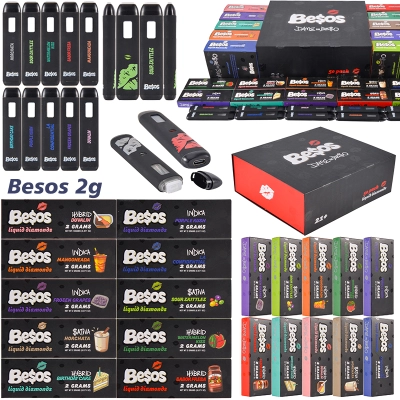
If you want to offer alternatives (so you don’t overbuy a single limited SKU), keep a “back-up shelf” ready from your broader empty disposable vapes bulk assortment (similar form factor, similar price band, easier replenishment).
5) One-page checklist (copy/paste for your team)
- Forecast: collect holds + waitlist + 72-hour test velocity
- Buy: 14-day launch buy + small conditional restock option
- Merchandise: one “switch demo” video + one diagram + one staff script
- Control risk: set reorder triggers + pre-write markdown/bundle rules
- Operate: listing accuracy + batch traceability + return triage
- Ship: confirm battery compliance docs early with your carrier/forwarder
Bottom line: You don’t win limited editions by buying the most—you win by buying right, educating fast, and restocking only when the data earns it.

0 Comments