

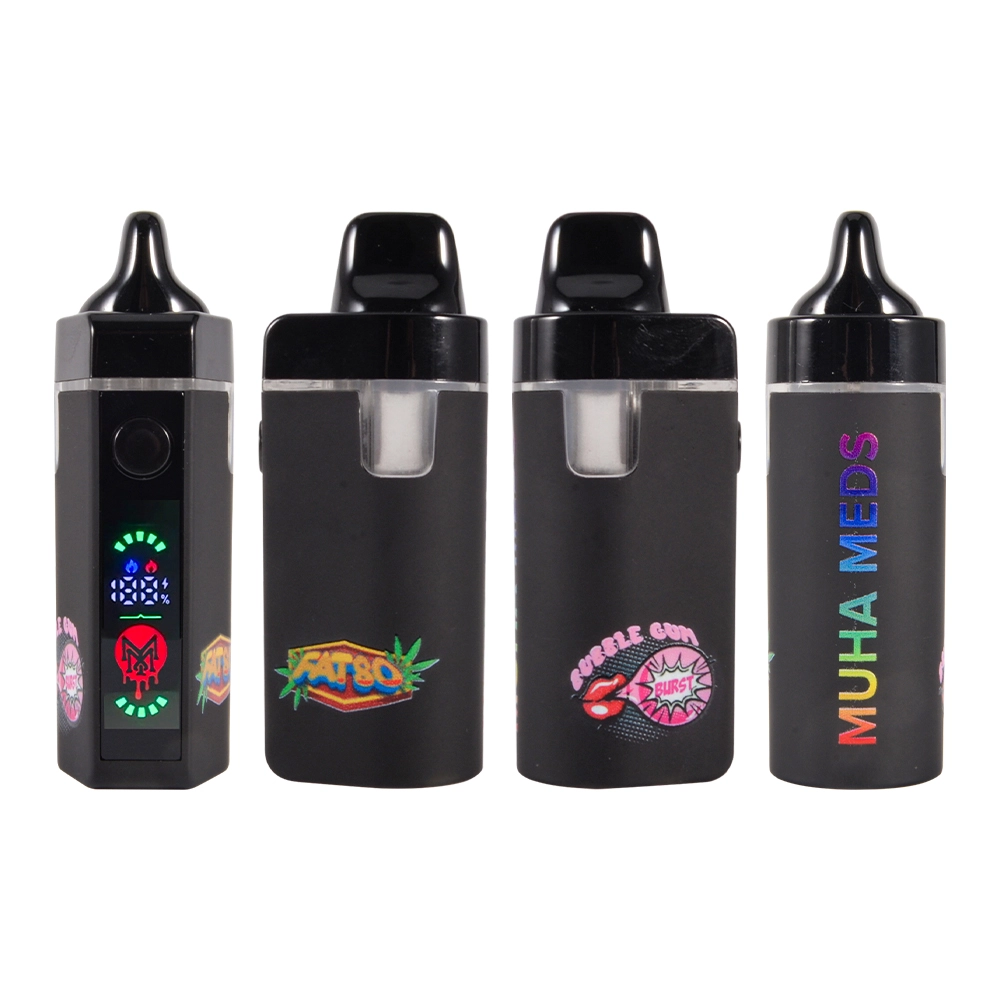
A practical, compliance-first guide for B2B buyers and licensed fillers
Buying muha meds bulk online can feel like navigating a minefield: inconsistent quality, counterfeit packaging, unclear compliance, and fragmented supplier claims. If your business needs muha meds disposable style hardware or branding-compatible empty shells, this guide shows how to source responsibly—prioritizing legality, verification, and lab-backed safety. It also covers when you should buy empty disposable vapes bulk instead of finished goods, and how to protect your license, customers, and reputation.
1) First, clarify what you’re actually buying
- Finished goods vs. empty hardware: If you operate in a licensed THC market, finished “Muha Meds disposable” products typically require purchase through licensed channels in-state. Cross‑state bulk shipments of finished THC goods can violate state law. For most B2B programs, the safer route is empty hardware (no oil), purchased in bulk, and then filled, tested, and labeled by your own licensed facility (or a contract manufacturer).
- Model and features: For empties, document the critical specs you need (ceramic coil, postless design, tank volume, rechargeability, USB‑C, clog‑preheat modes, anti‑leak structure, window design for fill verification). Request a written spec sheet and a bill of materials for the exact variant you plan to order.
2) Vet the supplier—on paper and in practice
- Website and footprint: Your vendor should clearly position themselves as a wholesale partner for licensed brands and fillers, not a gray‑market drop‑shipper. Look for a credible wholesale posture and product education (e.g., clear explanations of “what empty 2g disposables are” and how licensed brands should fill and test them).
- Test documentation readiness: While hardware alone isn’t a cannabis product, competent suppliers should understand downstream testing burdens and provide a metal‑leach risk narrative (materials list, stainless grades, ceramics, PCTG vs. glass, silicone gasket sources) and a sample‑level QA workflow. Ask how they mitigate heavy‑metal leaching risk (design, coatings, qualified component sources).
- Sample first, then scale: Run pilot fills with your oil at your operating voltages and temperatures. Stress‑test storage (heat/cold cycling), check for seepage, clogging, and consistent draw resistance.
3) Authenticity & brand protection
- If you’re considering finished “Muha Meds disposable” units through licensed channels, insist on on‑pack verification and QR/serial checks. Muha Meds maintains code‑based verification portals; train intake teams to scan and confirm authenticity on arrival.
- For empty shells compatible with your brand style, avoid infringing marks. Do not buy shells bearing someone else’s protected trademarks unless you are an authorized licensee. Insist on unbranded or your own registered artwork only. Keep a paper trail (POs, artwork approvals, supplier attestations).
4) Compliance and testing: what “safe” actually means
- ISO/IEC 17025 lab testing: State rules (e.g., California’s Department of Cannabis Control) require finished products to be tested by ISO/IEC 17025–accredited labs for residual solvents, pesticides, heavy metals, microbes, and mycotoxins. Hardware itself isn’t “approved” by FDA for cannabis; the obligation sits with the finished good, but hardware affects risk (metal leach, contamination, residual oils).
- Heavy‑metal risk is real: Peer‑review and industry reports note that metal components can leach elemental metals into oil and aerosol under some conditions. Validate with your oil, your voltage curve, and real‑world session lengths. Consider lower‑temperature, consistent‑power drivers and ceramic heating elements designed for your viscosity.
- Age‑gating and marketing controls: Online storefronts must block under‑21 sales (US norm) and avoid look‑alike packaging that could appeal to minors. If you operate D2C within a compliant channel, implement robust ID checks, fraud detection, and adult signature options.
5) Red flags for bulk buyers
- “Too cheap to be real” prices for finished, branded units shipped cross‑border or cross‑state.
- Lack of verifiable company identity, no physical address, or evasive answers about licenses.
- No verification stickers, QR/serials on finished products from brands that typically use them.
- Refusal to provide small pilot lots or to document hardware materials and QA steps.
6) How to structure a safe purchasing workflow
Step A — Define your spec and MOQ
- Capacity (1g/2g), coil type, body materials, port type, window design, fill method, cap/lock, and accessories (charge cable, tamper seals).
- Set realistic MOQs that allow a pilot (e.g., 100–500 units) before 10k+ orders.
Step B — Supplier diligence
- Corporate details, references from licensed customers, and a video walk‑through of assembly/QC lines.
- Third‑party audit or factory photos for QA checkpoints (incoming components, assembly torque specs, leak‑test rigs, draw‑resistance tests).
Step C — Pilot fill & lab check
- Fill 50–200 units with your worst‑case viscosity (thickest oil), store at 30–40°C and 0–5°C for 14–21 days. Record leak rate, clog incidence, draw variance, battery failure rate.
- Send filled samples for accredited lab testing per your state rules. Keep all COAs.
Step D — Contract and branding - Confirm artwork rights and trademark ownership. Use unbranded shells or your own approved marks to avoid counterfeit risks.
- Add QC acceptance criteria (AQL for leaks/clogs, battery failure rate thresholds, cosmetic defect rate) to the purchase contract.
Step E — Logistics & intake
- Require tamper‑evident shipper seals and unit‑level scans on arrival. Randomly pull cartons for destructive checks (torque, seal, airflow, battery health).
7) When to buy “empty disposable vapes bulk” vs. finished goods
- Choose empties when you need: cross‑state deployments via licensed partners, full flavor/viscosity control, lower counterfeit risk (your own branding), and the ability to meet local testing and labeling rules.
- Choose finished goods only within your licensed state distribution pathways and with on‑pack verification in place.
8) Practical checklist
- License alignment confirmed for the intended markets.
- Buying empties, not finished THC goods (unless in‑state licensed).
- Supplier identity verified; wholesale posture and references checked.
- Hardware spec locked; BOM and materials list archived.
- Pilot batch passed storage, leak, and clog testing.
- ISO/IEC 17025 COAs on your filled pilot samples on file.
- Adult‑use age‑gating and fraud controls configured for any online sales.
- On‑pack verification (QR/serial) trained into receiving SOPs (for finished goods).
- Contracts include AQL thresholds and branding/IP guarantees.
Disclaimer (non‑legal advice): Cannabis laws change quickly by state. This article is informational and not legal advice. Always consult local counsel and your state regulator before purchasing or selling THC products or branded hardware.
0 Comments