

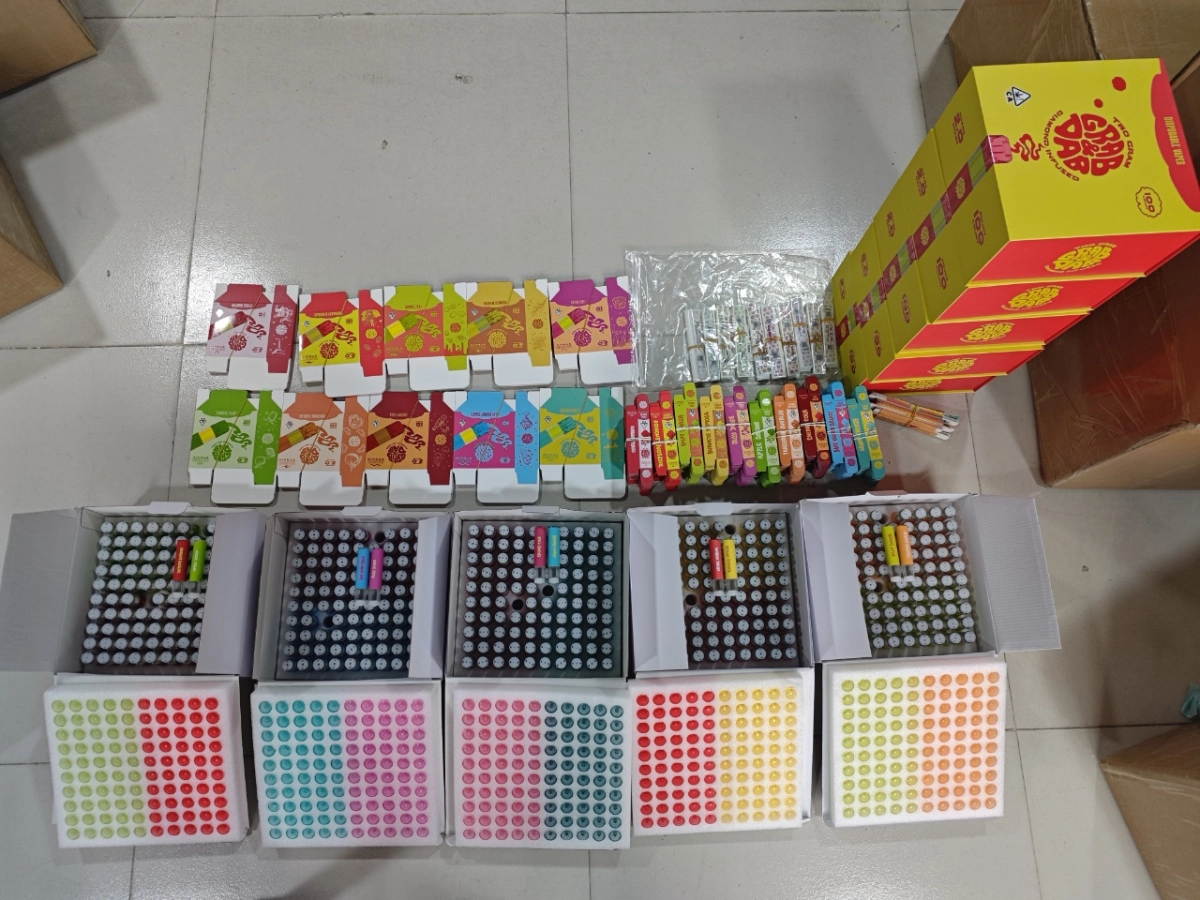
How To Choose the Right Bulk Disposable Vapes for Your Shop
Important: Bulk “disposable vape” purchasing sits at the intersection of compliance, product reliability, and unit economics. This guide focuses on how to evaluate devices and suppliers responsibly—without making medical claims and without targeting minors. Always verify local licensing, age-gating, and product rules in your destination market.
1) Start with your market rules (don’t buy inventory you can’t legally sell)
Before you compare “features,” lock down the rules of the shelf: what your jurisdiction allows, how products must be labeled, and what documentation you may need to keep on file.
Know what category you’re selling in
- Nicotine/ENDS markets: Many jurisdictions regulate product authorization, packaging warnings, nicotine limits, tank size, and advertising.
- Non-nicotine hardware/private label programs: You may still need battery transport documentation and consistent labeling/traceability for QA and customer support.
- Anything hemp/cannabis-related: Treat this as jurisdiction-specific and higher-risk. If your shop participates, consult qualified counsel and only stock products that are demonstrably legal in your destination market.
Three compliance realities that should shape your buying list
- U.S. (nicotine/ENDS): FDA explains that marketing a “new tobacco product” requires a written marketing order, and it maintains pages describing marketing orders and PMTA pathways.
- EU/UK (nicotine/ENDS): TPD/TRPR frameworks include constraints such as refill container and tank capacity limits, nicotine concentration caps, and notification requirements (rules vary by country, but the framework is consistent).
- Child-resistant packaging: For liquid nicotine containers, U.S. guidance emphasizes special packaging (child-resistant) requirements under federal law; even when your product format differs, adopting child-resistant/tamper-evident principles reduces risk and improves retail defensibility.
Store-owner takeaway: Compliance is not a “later” task. It’s the first filter that determines your eligible SKU universe.
2) Build a simple SKU strategy that matches how customers actually buy
Use the “Core + Variety” framework
- Core (60–80% of units): 2–4 reliable devices that are easy to explain, consistent across lots, and supported by clear DOA/returns terms.
- Variety (20–40% of units): Feature-led options (e.g., screens, dual modes) that create trade-up value without risking your entire shelf.
Decide which bulk format fits your shop model
| Bulk Format | Best For | Key Risks | What to Require |
|---|---|---|---|
| Branded retail-ready units | Fast replenishment, known demand | Compliance/authorization, gray-market exposure | Market-specific proof, batch traceability, clear returns policy |
| Private label / custom program | Higher margin, differentiation | Longer lead time, QC burden shifts to you | Pre-production samples, pilot run, documented QC plan |
| Empty hardware for compliant filling partners | Hardware-led shops or B2B supply | Liability clarity, documentation gaps | Battery test summaries, component specs, lot tracking |
3) Compare device fundamentals (what drives repeat purchases)
Customers rarely repurchase because a device has “more features.” They repurchase because it is consistent: stable draw, low leakage, predictable performance, and fewer returns.
Focus on the fundamentals first
- Leak resistance: Ask about sealing design, storage orientation guidance, and packaging that reduces pressure/temperature shock during shipping.
- Draw consistency: Evaluate airflow path, sensor reliability, and whether the device is overly restrictive or overly open.
- Power management: Protection circuitry and quality cells matter more than marketing claims.
- Charging interface: USB-C is common for convenience; ensure suppliers provide safe charging guidance and do not overstate “fast-charge” capabilities.
Then consider feature-led differentiators
- Screen devices: Screens can reduce “dead device” complaints by showing battery status or usage indicators—but only if the overall electronics are robust.
- Size/capacity: Don’t buy based on puff-count marketing alone; puff counts are not standardized and vary with user behavior and conditions.
- Ergonomics: Mouthpiece comfort, pocketability, and draw activation can outperform flashy designs at the register.
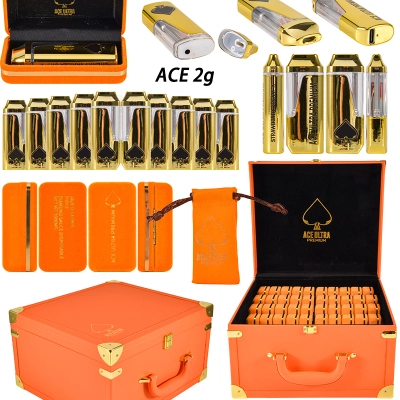
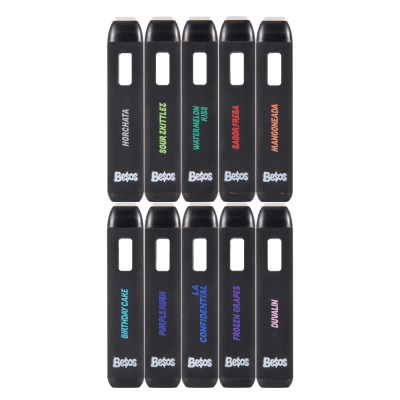
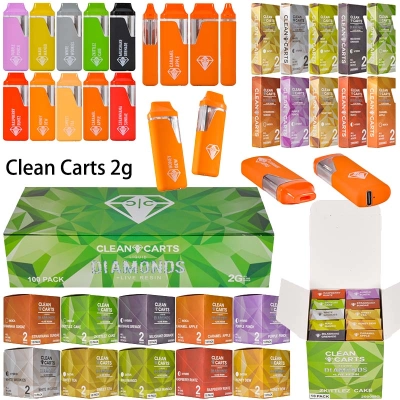
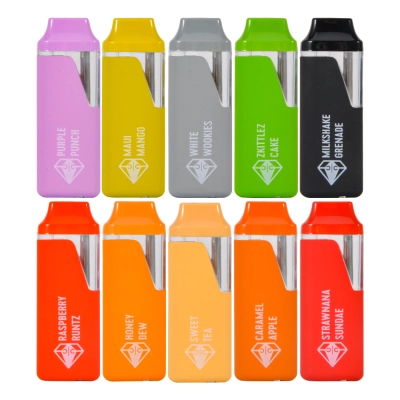
Browse internal categories while you plan your shelf mix: Start with empty disposable vapes bulk for a broad view of form factors, then compare feature-led options like vape with screen, and finally standardize one staple size such as 2g disposable vape pen for your core replenishment program.
4) Define minimum quality standards and an incoming QC plan
Bulk purchasing turns small failure rates into large losses. Your best defense is a documented QC plan that aligns with how you handle returns and protects your reputation.
Set “minimum acceptable” criteria (before you negotiate price)
- Cosmetic tolerance: Agree what counts as acceptable cosmetic variance vs. rejectable defects.
- Functional pass/fail: Define a simple, repeatable checklist your staff can execute.
- DOA policy: Specify timeframe, evidence requirements (photo/video, lot code), and replacement/credit rules.
- Lot traceability: Require batch/lot identification you can map to purchase orders.
A practical QC workflow for shops
- Pre-production sample: Confirm device feel, packaging quality, and labeling fields.
- Pilot order: Small volume that still represents the real production line.
- Incoming inspection: Random sample checks on each lot (document pass/fail).
- Sell-through feedback loop: Track top reasons for returns by SKU and lot code.
5) Ask for the right documents (battery + traceability)
Documentation is not bureaucracy—it is how you reduce operational risk, shipping delays, and costly disputes.
Battery transport: UN 38.3 test summary
For products containing lithium batteries, transport rules commonly expect evidence that battery designs were tested under UN 38.3, and downstream shippers often rely on a lithium battery test summary. A practical approach is to require the supplier to provide the relevant test summary for the battery design used in the SKU.
Device electrical safety: UL 8139 (and related evaluations)
UL provides a certification program describing testing to UL 8139 for electrical systems of electronic cigarettes and vaping devices. Even where UL certification is not mandated in your market, requesting evidence of safety-oriented testing and protection features improves your retail defensibility.
What you should keep on file
Business registration, physical address, and a named responsible contact for compliance questions.
Lot/batch format, where it appears (unit + carton), and how it maps to production dates.
UN 38.3 test summary (or equivalent documentation appropriate to your transport lane).
Final artwork approvals and a “golden sample” for your staff to compare against incoming lots.
6) Vet suppliers like you’re hiring a long-term partner
Verification questions that separate good suppliers from risky ones
- Can you provide consistent lot traceability? (Ask for examples of lot coding on both units and cartons.)
- What is your DOA and dispute process? (Time window, evidence requirements, and remedy.)
- How do you prevent cross-lot drift? (Incoming component control and process checks.)
- What is your true lead time? (Include packaging, labeling, and any customization steps.)
Payment and risk controls that protect cash flow
- Samples → Pilot → Scale: Tie larger payments to passing a pilot with documented QC.
- Clear incoterms: Define who owns risk at each shipping milestone.
- Chargeback-proof paperwork: Keep invoices, lot details, and inspection results in one folder per PO.
7) Plan logistics, returns, and store operations upfront
Reduce returns with operational clarity
- Staff script: One short, consistent explanation of “what this SKU is” and “who it’s for.”
- Receipt policy: A clear returns policy reduces conflict and protects margins.
- Storage discipline: Keep stock away from heat extremes and direct sunlight; rotate inventory FIFO.
Inventory hygiene for bulk SKUs
- Lot-based shelving: Store by lot code so you can isolate issues fast.
- Reorder triggers: Set reorder points based on sell-through speed, not “gut feel.”
- Returns analytics: Track returns by SKU + lot + failure reason to spot patterns early.
8) Use a scorecard to pick winners quickly
When you evaluate multiple SKUs, a simple scorecard prevents “feature hype” from overriding the basics.
| Criteria | What to Look For | Score (1–5) |
|---|---|---|
| Compliance fit | Meets your market’s labeling, limits, and notification/authorization expectations (as applicable) | |
| Leak/defect control | Documented QC, stable lots, clear DOA policy | |
| Battery documentation | UN 38.3 test summary available; robust protection design | |
| Customer usability | Consistent draw, low complaint rate, easy “what to expect” explanation | |
| Economics | Healthy landed margin after shrink, returns, promos | |
| Supplier reliability | Predictable lead time, responsive support, repeatable packaging accuracy |
Rule of thumb: If a SKU is “exciting” but fails documentation, returns policy clarity, or lot traceability, it is not a bulk SKU—it’s a liability.
9) Practical resources and next steps
Authoritative references to keep bookmarked
- FDA: Tobacco Products Marketing Orders
- FDA: PMTA Marketing Granted Orders
- eCFR: 21 CFR Part 1114 (PMTA)
- EU: Directive 2014/40/EU (TPD) – Article 20 constraints
- UK: E-cigarettes regulations (TRPR guidance)
- UK: MHRA e-cigarette & vape products guidance hub
- U.S. CPSC: Liquid nicotine packaging guidance
- PHMSA: Lithium battery test summaries (UN 38.3)
- UL: E-cig and vape battery/electrical certification (UL 8139)
- IATA: Lithium battery shipping overview (incl. e-cigarettes in passenger context)
Your 48-hour action plan (simple and effective)
- Pick 6 candidate SKUs (4 core + 2 feature-led) that fit your market rules.
- Request documents (lot traceability example, DOA terms, battery UN 38.3 test summary).
- Run a pilot and document QC pass/fail results in one shared spreadsheet.
- Launch with discipline: FIFO rotation, lot-based shelving, and returns analytics by SKU.
Bottom line: The “right” bulk disposable vapes are the ones you can legally sell, support operationally, and reorder with confidence. If your purchasing process forces suppliers to prove traceability and reliability early, you will protect margin and reduce returns—month after month.
0 Comments