

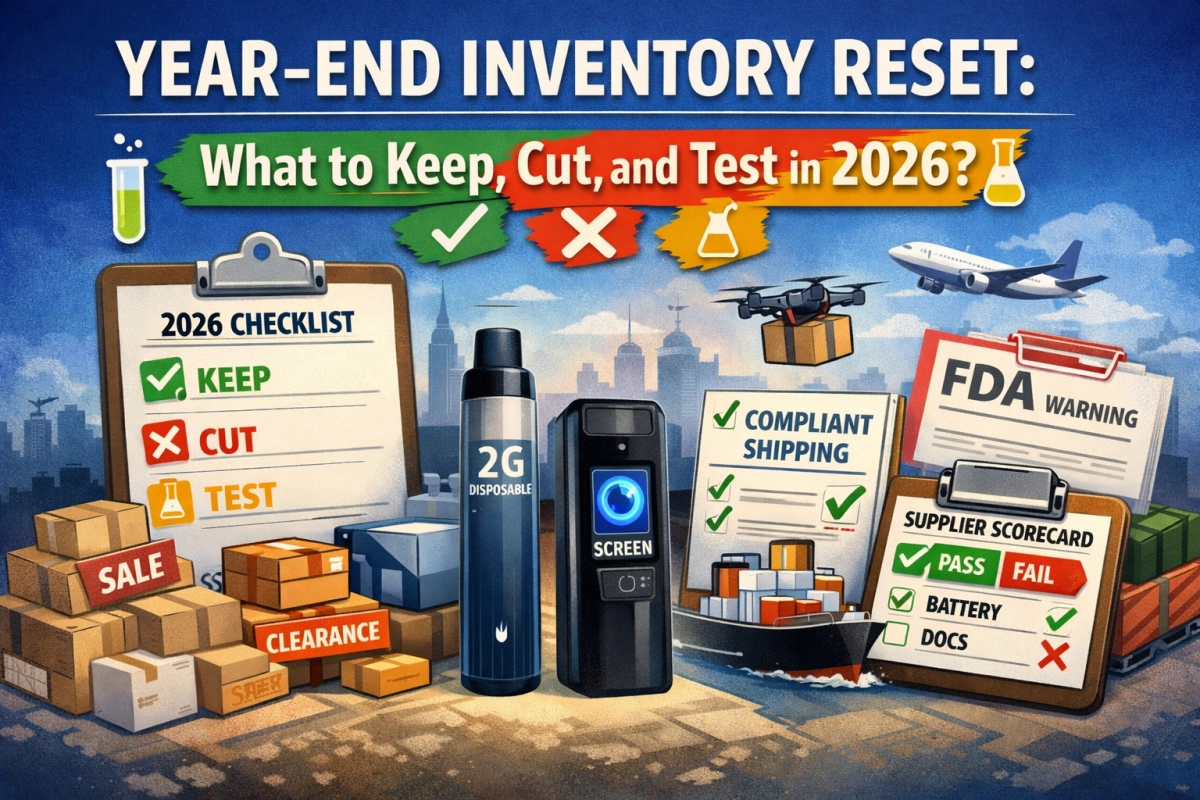
Year-End Inventory Reset: What to Keep, Cut, and Test in 2026
Updated for 2026 planning • built for buyers who want fewer chargebacks, fewer compliance surprises, and faster reorders.
Why 2026 is different
Inventory resets used to be mostly about demand forecasting. In 2026, it’s equally about market access: what you can legally sell, what you can reliably ship, and what you can support without support tickets exploding.
- Regulation is actively reshaping “safe inventory.” For example, the UK moved to prohibit single-use vapes starting June 1, 2025—pushing UK-facing assortments toward reusable-compliant formats and forcing wholesalers to rethink legacy “disposable” SKUs in that market.
- US enforcement risk is real. FDA reiterates that new tobacco products generally need authorization to be legally marketed, and enforcement actions continue against unauthorized products. Separately, federal operations have seized large volumes of unauthorized e-cigarettes at the border—meaning the “wrong” stock can become stranded stock.
- Logistics is now a documentation game. Lithium-battery shipments increasingly require clean paperwork (UN 38.3 / test summaries) and packaging discipline to avoid carrier delays and returns-to-sender.
The goal of a 2026 reset: keep what is reorderable and supportable, cut what is fragile (slow + risky), and test only what you can measure.
Do the reset in 60 minutes (the worksheet approach)
Pull a 90–180 day report and tag every SKU with four fields. This creates a simple “Keep / Cut / Test” map that your team can actually execute.
| Field | What to record | Why it matters in 2026 |
|---|---|---|
| Velocity | Units/week + reorder rate | Protects cashflow; reduces dead stock |
| Margin quality | Gross margin after promos, returns, and damages | “High margin” SKUs can be fake wins if returns are high |
| Support load | DOA %, charge issues, leakage claims, missing parts | Support cost is a 2026 profit-killer |
| Market access | Where it can ship/sell cleanly + doc readiness | Prevents “can’t ship / can’t sell” surprises |
Now apply one rule: anything that fails market access or documentation readiness cannot be “Keep”, even if it sells. Put it into “Cut” or “Test” depending on fixability.
What to keep (protect cashflow + stability)
1) Your “core platform” SKUs (the boring winners)
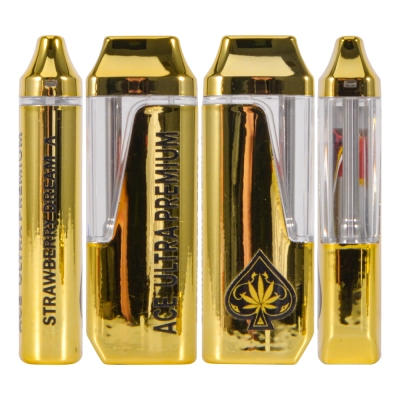
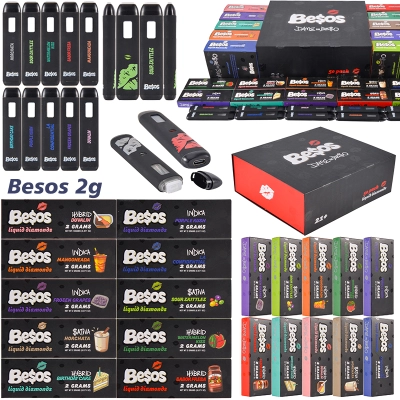
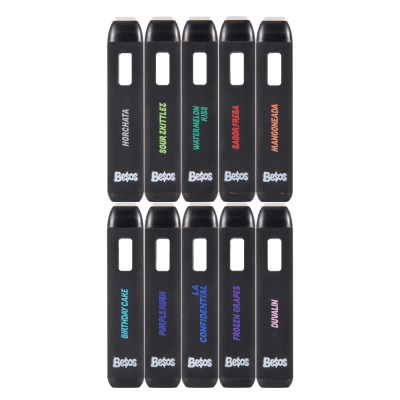
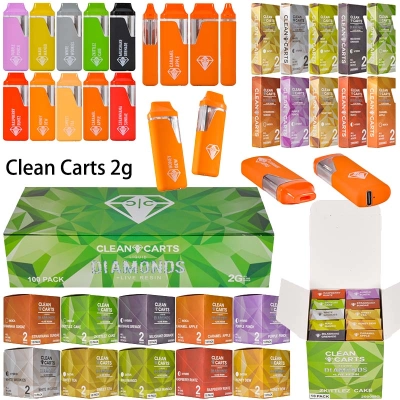
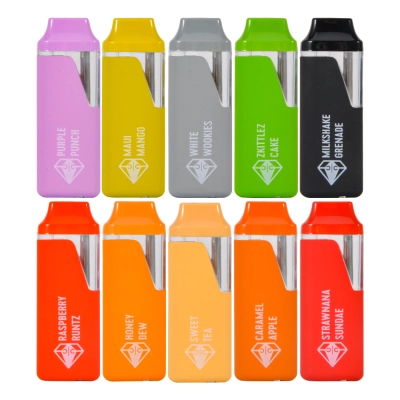
Keep the SKUs that reorder cleanly because they’re consistent: stable draw, predictable charging, low leak claims, and packaging that arrives shelf-ready. If you sell in the 2g class, don’t try to carry everything—carry the few that repeat well. For example, a curated core can live inside your 2g disposable wholesale assortment, but the key is to standardize the winners (and train receiving/QC around them).
2) Region-local inventory that reduces variance
In 2026, “fast” beats “cheap” when you’re preventing stockouts. Keep region-local inventory for your highest-velocity items so customs delays don’t wreck turns. If your customers prioritize speed, maintain a stable set of USA stock vape options as your emergency replenishment layer.
3) SKUs that reduce returns via clarity
Devices that make battery/status more obvious can reduce “it’s dead” returns and support friction—especially for retail-facing programs. If you already see fewer support tickets on display-driven platforms, keep a tight, proven subset of disposable vape with screen SKUs as a “support-load reducer,” not as novelty inventory.
What to cut (and how to liquidate without wrecking your brand)
Cut bucket A: “Can’t ship / can’t sell” SKUs
If a product is likely to face enforcement, restriction, or carrier problems in one of your key markets, it doesn’t belong in 2026 core inventory. This isn’t theory—multiple jurisdictions have tightened rules around which vape products can be sold and how they’re defined. Build a market-access tag (US / UK / EU / specific states) and cut anything that fails your top two destinations.
Cut bucket B: “High margin, high headache” SKUs
If a SKU looks profitable until you count DOA credits, reships, and customer time, it’s not actually profitable. A simple rule: if support tickets per 100 units is trending up, cut or quarantine it.
Cut bucket C: Low-velocity long-tail that clogs cash
Long-tail SKUs are fine—until they block purchasing power for winners. Liquidate with intent: bundle slow movers with top sellers, cap replenishment at “one-box rules,” and stop reordering anything that hasn’t proven repeat velocity in the last 90 days.
What to test in 2026 (small bets, measurable wins)
Test 1: Compliance-forward assortments by destination
Instead of a single global catalog, test “destination-safe” bundles (e.g., UK-safe, EU-safe, US-safe) so buyers can select assortments aligned to their market constraints. Measure: conversion rate, returns, and time-to-reorder.
Test 2: Spec-stable reorders (version control)
In wholesale, the best SKU is the one that repeats the same way every time. In 2026, test a “locked spec” reorder process: keep a golden sample, define incoming inspection checkpoints (resistance window, charging behavior, inlet geometry, packaging identifiers), and require suppliers to disclose changes. Measure: lot-to-lot complaint rate and RMA rate.
Test 3: “Support-load reducers” (screen/UI, packaging clarity)
Where screens help, treat them as operational tools: fewer misunderstandings, faster staff troubleshooting, fewer “dead device” claims. But test them with real QC gates—display behavior consistency, charging indicators, and durability in packed shipment handling. Measure: support tickets per 100 units.
Test 4: Local-warehouse replenishment as a paid feature
Offer “48–72 hour replenishment” on a small curated list from local warehouse stock and price it like a service. Measure: attach rate + reorder cadence.
Supplier scorecard: the 2026 “no-surprises” standard
If you want fewer delays and fewer disputes, your suppliers must be able to prove stability and documentation readiness. Use a scorecard and refuse to scale anything that can’t pass.
| Category | Must-have proof | Pass/Fail trigger |
|---|---|---|
| Battery transport | UN 38.3 evidence + lithium battery test summaries; shipper-ready labels & packaging | Missing docs = do not scale |
| Traceability | Lot/run identifiers tied to invoices and receiving logs; packaging/version clarity | No lot discipline = high counterfeit/mix-up risk |
| Spec stability | Written notice of changes (components/process); “golden sample” match checks | Surprise revisions = stop reorders |
| Support outcomes | DOA target, leak-rate target, charge-path pass rate; clear warranty/credit policy | No warranty clarity = margin leakage |
Tip: treat documentation like inventory. If it’s missing, your stock is “not sellable yet.”
4-week execution plan
Week 1: Tag + map
- Export last 180 days of sales + returns + support reasons.
- Tag every SKU: velocity, margin quality, support load, market access.
- Draft your Keep/Cut/Test list with owners and deadlines.
Week 2: Clean cuts + liquidation offers
- Freeze reorders on “Cut” SKUs immediately.
- Create 2–3 liquidation bundles that protect perceived value.
- Negotiate supplier credits where defect patterns exist.
Week 3: Pilot tests with scorecards
- Limit “Test” to small, measurable pilots (e.g., 100–300 units per SKU).
- Run incoming inspection + packed-shipment handling checks.
- Track outcomes by lot/run so reorders get smarter, not riskier.
Week 4: Lock 2026 core + reorder rules
- Finalize the core set and publish reorder rules (min/max, safety stock, lead time buffer).
- Create a “documentation gate” checklist for receiving.
- Set a quarterly mini-reset so problems don’t accumulate until year-end.
Printable checklist
- Keep: high velocity + low support load + clean documentation + market-access safe.
- Cut: slow + high returns, or anything likely to become stranded by restrictions/carrier issues.
- Test: only what you can measure in 2–4 weeks (tickets/100, DOA%, reorder intent).
- Document gate: no battery shipping proof / test summaries → do not scale.
- Version control: lock golden samples and require change notices before reorders.
- Regional strategy: keep local-warehouse replenishment for your top winners.

0 Comments