

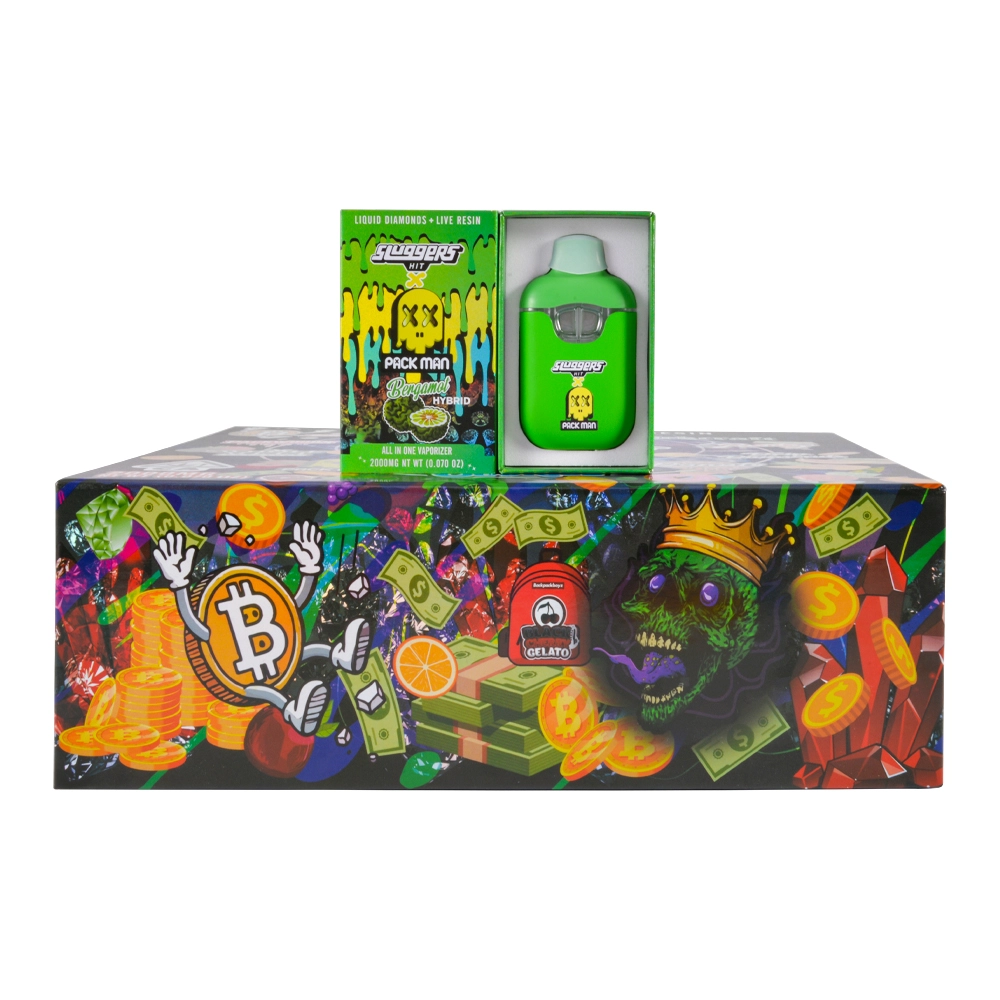
Sluggers x 10 Brands & Other Collabs: How to Vet Hype Designs as Empty Hardware
Cross-brand collabs like Sluggers x Backpackboyz, ZAZA, Baked, or Grab & Dab look great on a shelf and inside a pitch deck. But if you are a licensed brand, lab, or distributor, the real question is simple: is this “hype” shell actually safe, fill-ready empty hardware, or just nice artwork wrapped around an unknown device?
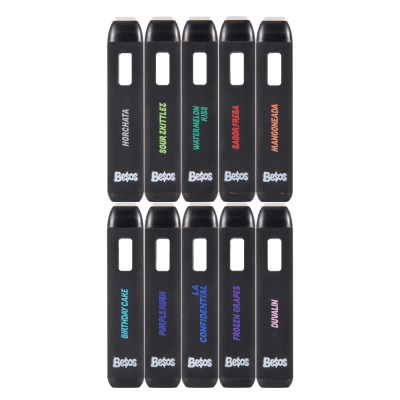
On Extractsvape, the Sluggers x 10 Brands disposable vapes 2g platform is designed specifically as a rechargeable empty 2 gram pod: 2.0 ml capacity, 340 mAh battery, USB-C charging, and dual 2 × 1.8 mm oil intakes to handle modern high-viscosity extracts. That makes it a strong candidate for collab SKUs— if you follow a disciplined vetting process on the hardware side, not just the branding.
Why Hype Collab Designs Need Serious Hardware Vetting
The last few years have shown how dangerous bad carts and unregulated devices can be. Vaping-related lung injury cases were strongly linked to illicit THC cartridges containing unsafe additives like vitamin E acetate, and many of those products were sold in counterfeit or “copycat” packaging that looked legitimate but had no real QA behind the oil or the device. Beyond the formulation, cheap batteries and heating elements can overheat, degrade metals, or fail in transit, amplifying the risk for end users and for your brand.
When you’re buying empty hardware, you have a chance to break that chain of risk. The goal is to pair regulated, tested oil with traceable, spec-driven devices that were engineered for that kind of formulation. Collabs like Sluggers x 10 Brands are a plus only if the hardware underneath the artwork meets the same standard of diligence you apply to your extraction, packaging, and compliance.
Step 1: Start from the Hardware Spec, Not the Artwork
With any collab device, strip away the branding for a minute and ask basic engineering questions:
- Oil path: ceramic coil? intake size? wick design? Is it rated for thicker live resin, liquid diamonds, or rosin?
- Capacity & battery: 2 g content needs a battery and chipset designed to maintain performance toward the end of the fill, not just for the first 200 puffs.
- Charging & safety: USB-C is the new baseline, but you also want clear guidance on charging behavior and over-charge protection.
- Material disclosures: what are the oil-contact materials (metals, ceramics, plastics) and have they been tested for heavy metals migration?
Treat the Sluggers shell like any anonymous white-label device. If your supplier can’t provide a spec sheet that clearly covers capacity, resistance, intake size, battery chemistry, and charger behavior, it doesn’t matter how good the collab branding looks—move on.
Step 2: Confirm You’re Getting True Empty Hardware
For licensed producers, collab SKUs should usually mean you control the oil and only buy empty shells. When you evaluate a Sluggers collab device or a similar hype design:
- Confirm the unit is sold as an empty pod, not a pre-filled cart, for your jurisdiction.
- Ask whether the factory also sells the same art as pre-filled illicit carts—if yes, that’s a brand-risk red flag.
- Check that the supplier can ship bulk hardware under your business name, with clear commercial invoices stating “empty devices” or “hardware only.”
On Extractsvape, Sluggers-branded devices are positioned as rechargeable empty shells for legal fillers, not as gray-area prefilled carts. That separation makes it easier for you to document a clean, hardware-only supply chain when regulators or auditors ask questions.
Step 3: Look for Evidence of Electrical & Battery Safety
Most B2B buyers rightly focus on oil performance—clogging, flavor, leak rate—but modern collab shells also live or die on their electrical and battery design. Even when you’re not shipping high-wattage mods, lithium-ion cells carry real risk if they’re poorly integrated or protected.
When vetting devices like Sluggers x 10 Brands or other 2 g collabs:
- Ask if the device platform has been tested against recognized electrical safety standards (for example, UL 8139-style testing for battery, charging, and short-circuit behavior).
- Request documentation on over-charge, over-discharge, and short-circuit protection. Chipset-level safeguards are key in high-volume B2B use.
- Clarify recommended charging practices (max voltage/current, typical charge time) for your customer support and packaging copy.
You don’t need to become a battery engineer, but you do want enough documentation that your compliance team can answer, “What happens to this device if a consumer leaves it on charge overnight?” with confidence.
Step 4: Stress-Test with Your Real Oil, Not Just Distillate
Many collab-branded shells are shown in marketing photos with ultra-clear distillate. In reality, what you’re filling may be live resin, liquid diamonds,rosin, or mixed formulations with different viscosity and terpene profiles than the “demo oil.”
Before locking in a PO on Sluggers or any other collab:
- Run a small batch with your real SKUs: the thickest winter batches, the loudest terp profiles, and your trickiest formulations.
- Simulate realistic storage and shipping: cap-down vs horizontal, cold-chain vs ambient, short-term heat exposure, and vibration/shock in transit.
- Track leak rate, clog rate, flavor stability, and return rate relative to your current “control” platform.
The goal is to confirm that the Sluggers hardware behaves like a stable, predictable platform—and that any performance difference vs your existing shell is actually a net upgrade, not just a design flex for social media.
Step 5: Check Packaging, Labeling & IP for Collab SKUs
Collabs are uniquely exposed on the packaging and IP side. If your shell copies a celebrity brand’s art without permission, or if the device and box ignore local labeling rules, you’re taking on regulatory and reputational risk even if your oil is lab-perfect.
Build a simple checklist:
- Brand legitimacy: can the Sluggers collab art be traced to an authorized partnership, or is it obviously copying a brand that has never announced that SKU?
- Regulatory symbols: is there space on the box and device for your jurisdiction’s universal cannabis symbol, state warnings, batch IDs, and age-gating language?
- Traceability fields: packaging should leave room for license numbers, lot codes, manufacturing dates, and test labels—key signals that distinguish a legal product from generic “fake cart” packaging in the wild.
If a design is so busy there’s nowhere to place required regulatory elements, it’s not a business-ready collab; it’s just fan art.
Step 6: Compare Sluggers to Other 2 g Collabs in Your Lineup
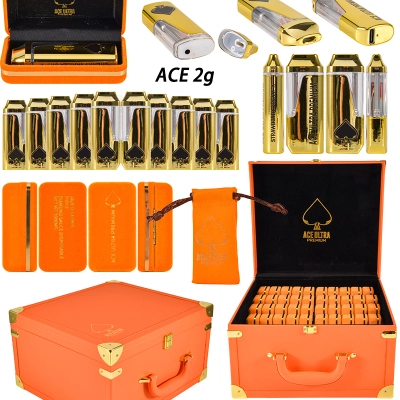
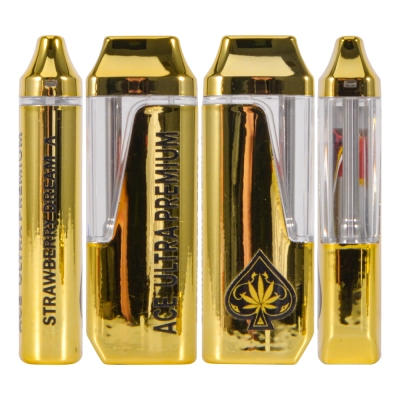
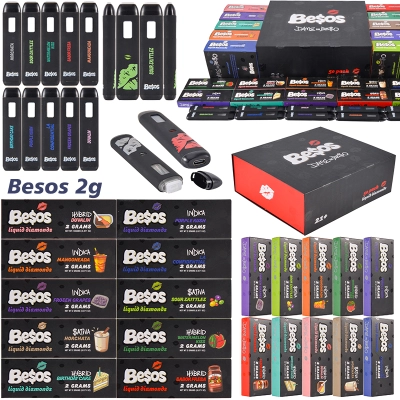
On Extractsvape, Sluggers lives alongside other 2 gram collab shells and branded devices—Big Chief Duo, Packman limited editions, Halloween dual-chamber drops, and more. You can use these as a structured comparison set instead of evaluating each in isolation.
Two practical ways to do that:
- Use the broader Sluggers category as your “brand family” hub. The Sluggers Hit disposable bulk line lets you compare the 10-brand collab shell to classic 1 g and 2 g Sluggers formats in terms of ergonomics, coil behavior, and battery longevity.
- Benchmark Sluggers against category averages using 2 gram disposable vape bulk as your comparison pool. Look at per-unit price vs spec, and what you gain (or lose) when you step up to limited collab packaging instead of a simpler brand system.
That way, “hype” becomes an input to your SKU plan, not the deciding factor. If a collab shell can’t beat your current control hardware on at least one real metric—sell-through, complaint rate, or average order value—it’s not worth the additional complexity.
Red Flags When Sourcing Hype Collab Empty Hardware
Finally, keep a short list of deal-breakers. No matter how good the art looks, walk away if you see:
- Suppliers who can’t provide a proper invoice and insist on labeling goods as “gifts” or “toys.”
- No spec sheet, no test data, and vague answers about coil materials or battery rating.
- Packaging that appears identical to known counterfeit SKUs circulating in news coverage and consumer alerts.
- Vendors who refuse to send unbranded or white-box samples for lab and performance testing.
- Any confusion about whether you’re buying empty pods vs prefilled carts for your jurisdiction.
If you eliminate those risks early and treat devices like Sluggers x 10 Brands as engineering platforms first and marketing assets second, you’ll launch collab SKUs that look good, perform consistently, and stand up to regulators, retailers, and repeat customers.
Key Takeaways for B2B Buyers
- Design is not enough: vet collab shells by their specs, safety, and compatibility with your oil.
- Control the inputs: always pair verified empty hardware with regulated, tested formulations.
- Demand documentation: spec sheets, safety testing, and packaging layouts are non-negotiable.
- Use internal hubs: leverage dedicated Sluggers and 2 g category pages on Extractsvape to keep your sourcing funnel organized.
Done right, Sluggers x 10 Brands and similar collabs aren’t just hype—they’re a way to capture attention and maintain a clean, defensible hardware supply chain for your brand.
Disclaimer: This article is for B2B informational purposes only and does not provide medical, legal, or compliance advice. Always consult local regulations and your compliance team before launching any cannabis or hemp products.
0 Comments