


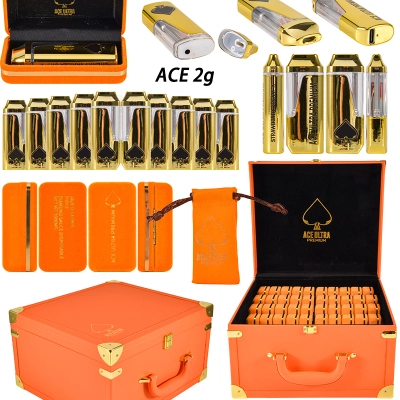
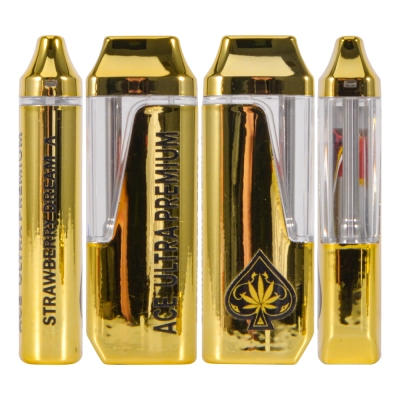
New Ace Ultra Premium 2g Gold Edition Bulk Buying Guide (B2B)
Who this is for: wholesalers, distributors, and retail buyers placing bulk orders for device hardware.
Important note: This guide is written for hardware procurement only (empty devices/pods). Always follow your local laws, age-gating rules, and any licensing requirements that apply to your business and destination market.
1) What “2g Gold Edition” should mean to a bulk buyer
In B2B purchasing, “2g” is often used as market shorthand. For procurement, what matters is the actual tank volume spec, the battery/charging system, and the incoming QC plan that keeps returns low. Your job is to translate marketing names into measurable, receivable specs.
Snapshot of what to confirm before you pay
- Tank volume (ml): confirm the listed volume and that you’re buying empty hardware.
- Battery capacity (mAh): impacts warranty risk, storage handling, and transport documentation.
- Charging port: Type-C vs other ports (affects customer expectations + accessory compatibility).
- Resistance / heating system spec: keep variants consistent across lots.
- Packaging format: retail boxes vs bulk cartons; labeling needs vary by region.
- MOQ and delivery lane: local warehouse vs overseas lead time.
If you’re buying this specific SKU, start with the live listing here: USA Gold Ace Ultra Premium Disposable Vape 2g in Bulk.
2) Choose the right fulfillment lane: US stock vs overseas
Bulk buyers typically decide based on: (1) how fast they need inventory, (2) how tolerant they are of cash tied up in transit, and (3) how strict their receiving/QC process is.
Common B2B lane logic
- Local warehouse (fast): ideal for replenishment cycles, new client wins, and buyers who run lean.
- Overseas (slower): ideal for planned launches, larger margin buffers, and custom packaging programs.
What to ask for (every time)
- Incoterms and who pays duties/taxes (avoid surprises in landed cost).
- Carton count + gross weight + dimensions (your warehouse needs this for scheduling and pallet planning).
- Battery transport documents (see Section 6).
- Lot/production date for traceability and after-sales handling.
3) Specs you should lock down in writing (to avoid “version drift”)
In bulk hardware purchasing, the fastest way to create returns is letting “the same product” quietly change over time. Always lock specs in writing on the invoice/PI and keep a version-controlled spec sheet internally.
Example spec table (use as your PO template)
| Spec item | What to write on the PO | Why it matters |
|---|---|---|
| Capacity | 2.0 ml (empty) | Receiving consistency; prevents “2g” ambiguity. |
| Charging | Type-C | Reduces support tickets; improves retailer readiness. |
| Battery | Confirm mAh (and acceptable tolerance) | Transport docs + risk control. |
| Resistance | Target ohms + tolerance | Helps keep draw/heat consistent across lots. |
| Packaging | Retail boxes + master carton labeling | Faster receiving and fewer picking errors. |
| MOQ / lane | US stock MOQ vs overseas MOQ | Ensures expectations match lead time and unit economics. |
Want to compare options across the brand lineup first? Browse the category page: Ace Ultra 2g.
4) A bulk pricing reality check: compute unit economics the right way
Buyers get burned when they compare “unit price” only and ignore: freight, duties, receiving labor, defect rate, and the cost of delays. Use a simple landed-cost model.
Landed cost formula (simple and effective)
Landed Cost per Unit = (Product Cost + Freight + Duties/Taxes + Packaging Extras + QC/Receiving Labor + Allowance for Defects) ÷ Units Received
Pro tip: build in a defect allowance
- If you don’t have historical data, start with a small allowance and tighten it as your QC data improves.
- Track defects by lot and failure mode (DOA, activation issues, charging issues, cosmetic damage, etc.).
5) Incoming QC: the minimum plan that prevents maximum pain
A bulk buyer’s goal is not “perfect.” The goal is predictable. You want stable lots and quick containment when something goes wrong.
Receiving checklist (copy/paste)
- Count & carton inspection: verify carton count, damage, and label accuracy.
- Lot traceability: record lot/production identifiers and store them with your PO.
- Sample pull: pull a consistent sample size per lot (define this in your SOP).
- Visual inspection: finish, seams, port alignment, mouthpiece fit, and packaging print quality.
- Functional checks: draw activation, airflow consistency, charging handshake, indicator behavior.
- Quarantine rule: if defects exceed your threshold, quarantine the lot and notify the seller fast.
What “good” looks like
- Clean version labeling (so your warehouse and retailers don’t mix variants).
- Consistent charging performance across random samples.
- Packaging that survives standard inbound handling without scuffing or crushing.
6) Compliance documents to request (battery & transport essentials)
Any modern disposable device involves a lithium battery, so transport compliance is not optional. In the U.S., PHMSA notes lithium cells/batteries offered for transport must meet UN 38.3 testing, and manufacturers must make a UN 38.3 test summary available upon request. Keep this on file for every device family.
Your “ask list” for the seller
- UN 38.3 test summary for the battery/cell type used in the device (retain per SKU family).
- Battery MSDS (or equivalent safety data) for carrier documentation.
- Packaging / marking confirmation for the transport mode you’ll use (air vs ground vs sea).
- Proof of electrical/battery safety testing where applicable (UL 8139 is a recognized safety standard for vape device electrical systems).
Authoritative references (for your compliance team)
7) Packaging & labeling: don’t let “box details” break your rollout
Packaging is a bulk buyer’s hidden margin lever: it reduces receiving time, prevents mix-ups, and supports retailer acceptance. If your finished product category is subject to child-resistant packaging rules in your market, align your packaging plan early. The CPSC explains “special packaging” (child-resistant) under the Poison Prevention Packaging Act as packaging designed to be significantly difficult for children under 5 to open within a reasonable time while still usable by adults.
Packaging controls that help every buyer
- Master carton labels: SKU name, quantity, variant, lot ID, warehouse lane.
- Inner box consistency: same placement of variant markers on every unit.
- Tamper-evident controls: reduces inbound disputes and retail returns.
- Barcodes/serialization: speeds receiving and protects against gray-market mixing.
Reference: CPSC: PPPA business guidance
8) The bulk order playbook (fast, safe, repeatable)
Step-by-step
- Pick the SKU and lane: confirm you’re buying the correct edition/variant and the correct warehouse lane.
- Lock the spec sheet: attach it to your PO/PI (capacity, charging, packaging, labeling, etc.).
- Request compliance docs: UN 38.3 test summary + battery docs before shipment.
- Confirm receiving SOP: sampling plan, pass/fail thresholds, quarantine procedure.
- Place the order: pay using your company policy (keep full paper trail for traceability).
- Receive + log lot IDs: defects tracked by lot so you can resolve issues quickly.
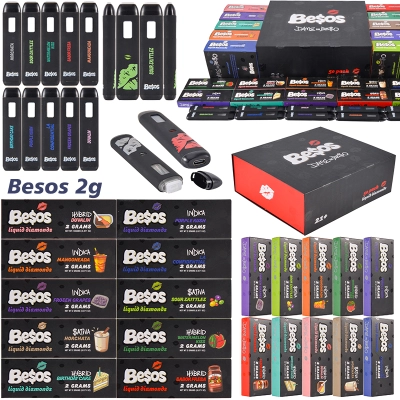
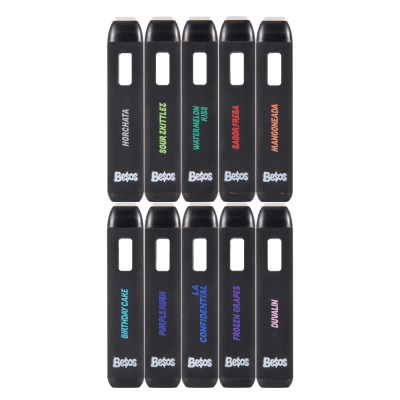
If you are comparing across brands and want more bulk options, start here: Empty Disposable Vapes Bulk.
9) FAQ (what experienced buyers ask first)
What’s the #1 mistake in bulk disposable buying?
Buying on the name alone. Bulk success comes from locking measurable specs, verifying compliance documentation, and running the same QC steps every lot.
What documents do I keep on file per device family?
At minimum: UN 38.3 test summary, battery safety data documentation, and your receiving/QC records by lot.
How do I reduce returns fast?
Standardize packaging labels, implement a simple sampling plan, and track defects by failure mode so you can fix the root cause rather than arguing about symptoms.
0 Comments