


2g vs 1g Disposables: How to Choose Capacity Without Guessing
Important note: This guide is about empty disposable vape hardware only. On Extractsvape, “Empty Pod” means pre-assembled devices that ship without oil, nicotine or THC. You bring the licensed formulation and compliance; we provide repeatable hardware platforms.
Why Capacity Decisions Feel Risky for B2B Buyers
If you run a licensed filling line, a white-label brand, or a distribution program, choosing between 1g and 2g disposables is more than a flavor decision. Capacity affects:
- Your cost per milliliter and per-unit margin.
- How often customers need to restock or swap devices.
- Failure exposure when something goes wrong (clogs, leaks, returns).
- How many SKUs you have to manage across warehouses.
The good news: you don’t have to guess. Once you treat 1g and 2g as different tools for different jobs, capacity becomes a straightforward, data-driven choice instead of a gamble.
Step 1: What “1g” and “2g” Really Measure
In disposable AIO (all-in-one) hardware, “1g” and “2g” refer to the approximate fill mass and oil volume the reservoir is designed to hold. In practice:
- 1g disposables are typically built around ~1.0 ml tanks and mid-size batteries, tuned for everyday or light-to-medium use.
- 2g disposables double the oil capacity (~2.0 ml) and pair it with larger batteries and more robust intake ports to handle thicker formulations.
On Extractsvape, the 1g disposable vape bulk category still represents the most “classic” format for many markets, especially where consumers are price-sensitive or regulations are evolving. Meanwhile, 2g has become the new hero capacity in mature segments where heavy users and value-per-ml are driving growth.
Step 2: Map Capacity to Real-World Consumption
Instead of asking “Is 1g or 2g better?”, start with how your end customers actually consume:
- Occasional or social users might stretch a 1g device over weeks of weekend or after-work use.
- Daily users can move through 1g quickly and appreciate the reduced swapping and reordering that 2g provides.
- Medical or heavy-use profiles often benefit from fewer device changes, which makes 2g more attractive from a convenience and perceived-value standpoint.
In short: capacity should track how fast the oil moves, not just what looks good on a box.
When 1g Disposables Are Still the Smarter Choice
Despite the hype around bigger devices, 1g hasn’t disappeared—and it probably won’t. It remains the best fit when you:
1. Need a Lower Entry Price Point
For new brands, experimental strains, or more cautious consumer segments, 1g keeps the ticket price down while still showcasing your hardware platform and oil quality. You’re risking less oil and device cost per unit if a SKU underperforms.
2. Are Testing a New Market or Regulation
If you are entering a new state or country with evolving rules, 1g gives you more flexibility:
- Smaller per-unit oil load reduces exposure if regulations shift mid-cycle.
- Pilot batches and A/B tests are cheaper to run and adjust.
3. Want a “Core” Capacity for Bread-and-Butter SKUs
For staple strains or everyday SKUs, 1g is still an efficient backbone. You can always build premium or “value” tiers around it later—using 2g as the upgrade step rather than your default.
For this role, buyers often start their assortment with a few proven housings from the disposable vape 1000mg range, then layer on 2g or dual-chamber formats once they see how fast those SKUs move.
When 2g Disposables Win on Value and Experience
Two-gram devices have earned their place as the “new standard” for many programs because they solve real operational problems.
1. Better Value Per Milliliter
Every device carries fixed costs: hardware, testing, packaging, logistics, and marketing. When you double the oil but keep the same basic platform, more of that spend is spread across additional volume instead of new SKUs.
In many 2g empties, the per-unit hardware cost is only modestly higher than a comparable 1g shell—but the perceived value on the shelf can be dramatically higher once filled and priced correctly.
2. Fewer Swaps, Fewer Complaints
Heavy users in particular notice when a device empties too quickly. 2g hardware can reduce:
- Complaints about “running out too fast”.
- Support tickets related to frequent charging or replacements.
- Retail friction from customers constantly re-buying small formats.
3. Better Match for Thick, Premium Formulations
Live resin, liquid diamonds, rosin and similar concentrates demand robust tanks, intake ports and batteries. The 2g form factor usually ships with coil and power architectures tuned for thick oils, plus modern features like USB-C and wider intakes.
If you’re building a portfolio around live-resin or liquid-diamond lines, starting with a strong 2g platform from the empty 2g disposable category can simplify your long-term hardware roadmap.
Capacity, Yield and Risk: A Simple Mental Calculator
You don’t need a spreadsheet to sanity-check capacity choices. Use this simple mental framework for each planned SKU:
- Estimate expected usage: light, medium or heavy. If most of your target buyers are heavy users, bias toward 2g; if they’re trial or price-sensitive, bias toward 1g.
- Look at retail price bands in your market: Make sure the price step between 1g and 2g is clear but not shocking. A 2g premium that is roughly proportional to the extra oil (plus hardware) usually feels fair.
- Factor in testing and packaging: Every new SKU means separate testing panels, labels and compliance work. Fewer, larger-capacity SKUs can simplify your operations—but only if they align with how customers actually consume.
- Decide your “risk per device” tolerance: If you’re nervous about early runs or complex blends, 1g helps cap downside. Once you trust the oil + hardware combo, scaling into 2g makes more sense.
Hardware Specs That Matter More Than Capacity
Capacity is only half the story. A 2g shell with mismatched intakes or underpowered batteries can perform worse than a well-engineered 1g platform. For both sizes, make sure your vendor can document:
- Coil resistance and material (e.g., porous ceramic tuned for high-viscosity oils).
- Battery capacity and recharge behavior (USB-C is now the practical default).
- Intake port count and diameter matched to your typical viscosity.
- Seal stack and tolerances designed to minimize leaks during transport and shelf time.
- Electrical and battery protections (over-charge, over-discharge, short circuit and over-temperature safeguards).
Serious programs always pilot hardware with real oil, realistic puff profiles and shipping simulations before committing to large POs—whether they choose 1g or 2g.
Inventory and Warehouse Strategy: How Many Capacities Do You Really Need?
For many brands, the ideal structure is simple:
- 1g as the “core” or entry tier used for new markets, experimental strains and price-sensitive buyers.
- 2g as the value or premium tier focused on heavy users, loyalty programs and limited editions.
Adding 3g or dual-chamber formats can make sense once your core line is stable, but every new capacity adds complexity: more forecasts, more packaging variants and more potential dead stock if demand shifts.
How Extractsvape Helps You Decide Without Guesswork
Extractsvape is built around a simple idea: you control the oil and compliance; we provide the empty hardware and documentation. Within our catalog you’ll find:
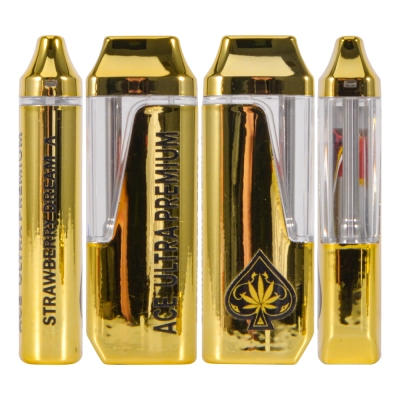
- Brand-style 1g shells that mirror proven devices from leading cannabis brands.
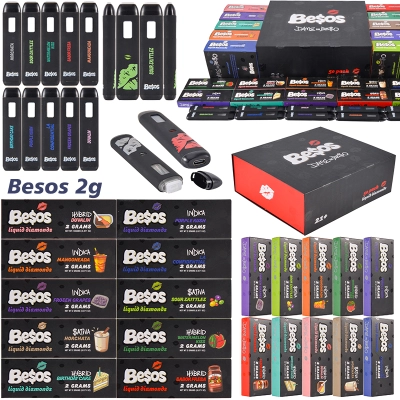
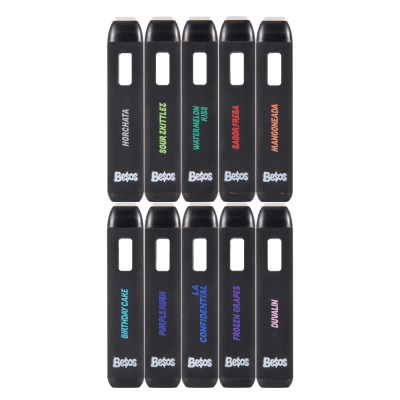
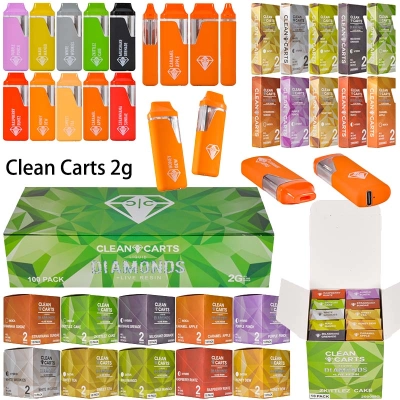
- 2g housings (including dual-chamber and screen-equipped options) tuned for modern formulations.
- Multi-warehouse strategies (USA, UK, DE, PL, etc.) to reduce lead times and logistics risk.
When you’re comparing options, start broad with empty disposable vapes bulk, then narrow down to dedicated 1g and 2g collections. From there, match capacity and features to your actual consumption data, margin targets and regulatory constraints.
Quick Checklist: 1g or 2g for Your Next PO?
Use this one-page checklist before your next capacity decision:
- Customer profile: Mostly trial/light users → start with 1g. Mostly heavy or medical profiles → plan a strong 2g tier.
- Market maturity: New or uncertain regulation → 1g-heavy. Stable, mature markets → combine 1g core with 2g value or premium.
- SKU discipline: Limit capacities to 1–2 “workhorse” sizes so inventory stays clean.
- Hardware fit: Confirm coil, ports, battery and safety documentation match your oil.
- Risk tolerance: Pilot in 1g if unsure; scale winning formulas into 2g once data is strong.
Once you run through this checklist, capacity stops being a guess. It becomes a controlled variable you can adjust deliberately as your brand and markets evolve.

0 Comments